
Asphalt and Permeable Pavers in the Winter: Which Type of Driveway Does Better?
It’s the coldest time of year for many of us living in Canada. If you’re a homeowner, you’re probably deep into the routine of shovelling, salting, and keeping an eye on your property through the cold snap. And somewhere in that routine, your driveway starts giving you little reminders of what it’s made of.
Maybe it’s a new crack that definitely wasn’t there in October. Maybe it’s a low spot that’s collecting water, then freezing into a mini skating rink. Or maybe the surface just feels rougher, looser, and more uneven every time the temperature swings.
If you’ve been noticing those problems this season, it’s a sign. Now is the time to think beyond quick fixes and look at the surface itself. Asphalt and permeable pavers behave very differently in Canadian winter conditions, and choosing the right one can mean fewer repairs, safer footing, and better long-term value.
In the middle of January, you’re not thinking about curb appeal. You’re thinking about performance. You want a driveway that holds up through freeze-thaw cycles. In this blog, we’ll break down what to expect from each and how to choose based on your home, budget, and winter reality.
Why Asphalt Struggles in the Cold
Asphalt is a staple in Canadian driveway paving because of its lower initial cost. However, it is a rigid, non-porous material, making it particularly vulnerable to our climate’s harsh freeze-thaw cycles.
The Crack Factor
Asphalt is essentially a solid sheet. When moisture gets into small pores and then freezes, it expands. Since the asphalt can’t “give,” it cracks. When the spring thaw arrives, those small cracks often turn into significant potholes.
Frost Heave Starts Below the Asphalt
A lot of “asphalt failure” is really “base failure.” If the base underneath is thin, poorly compacted, or holds water, winter freezes that moisture and lifts sections of the driveway. During thawing, it settles unevenly, creating dips, waves, and low spots that collect even more water.
The Ice Problem
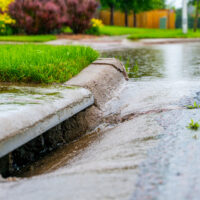
Because water cannot drain through asphalt, it pools on the surface. These puddles quickly turn into dangerous black ice, forcing you to use more salt and sand than you’d probably like.
Oxidation Makes Asphalt More Brittle
Asphalt ages by oxidizing. It slowly loses oil, dries out, and becomes more brittle, making it less able to handle temperature swings. Winter doesn’t cause oxidation, but it is more brutal on older, dried-out asphalt driveways.
Why Permeable Pavers Can Handle Winter Better
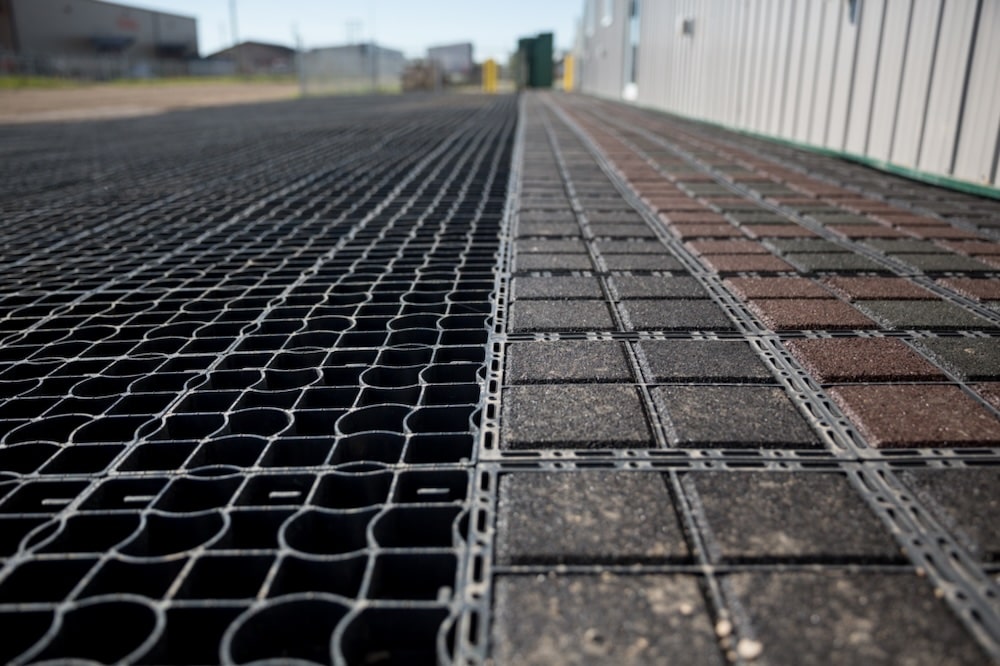
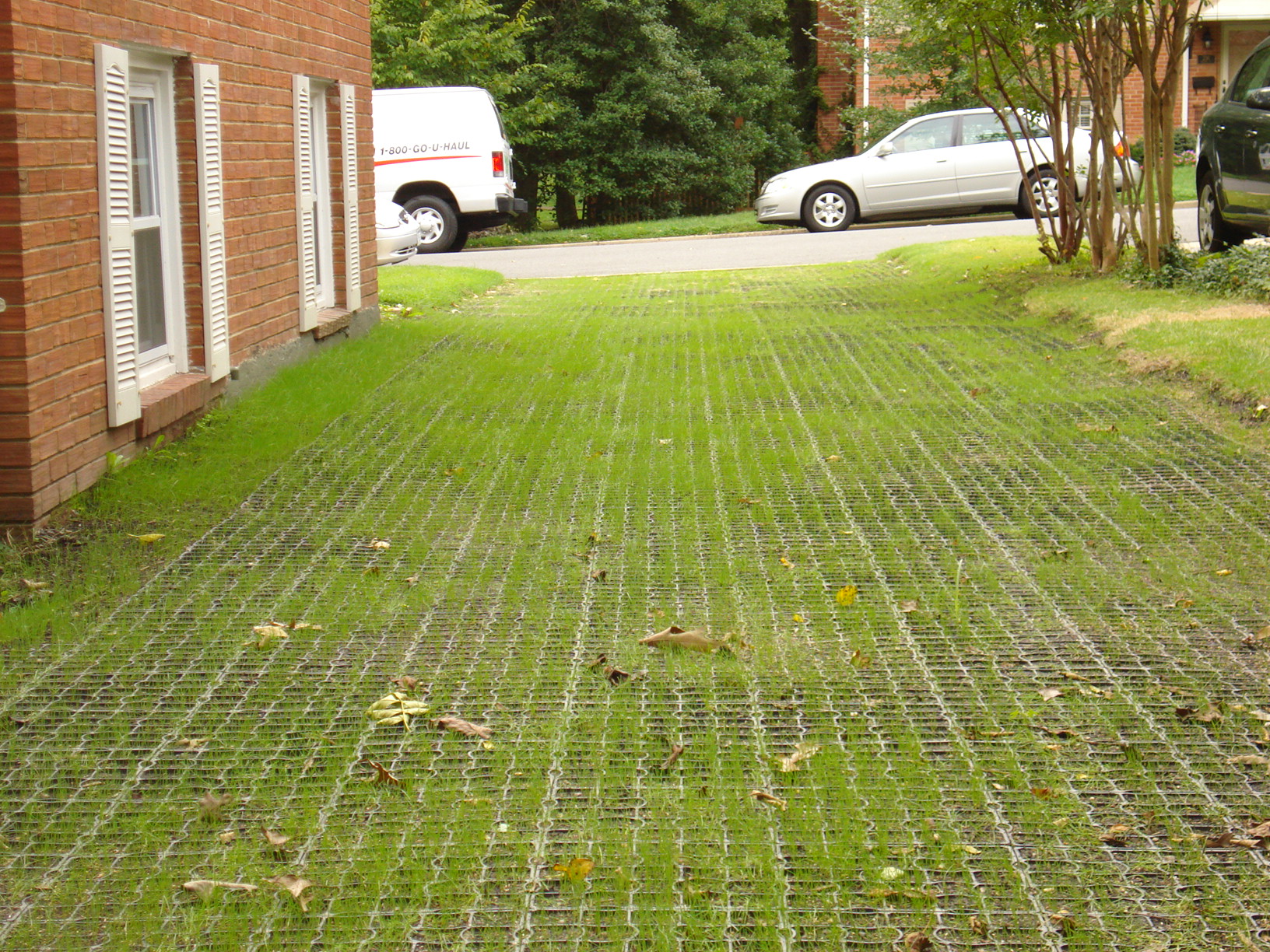
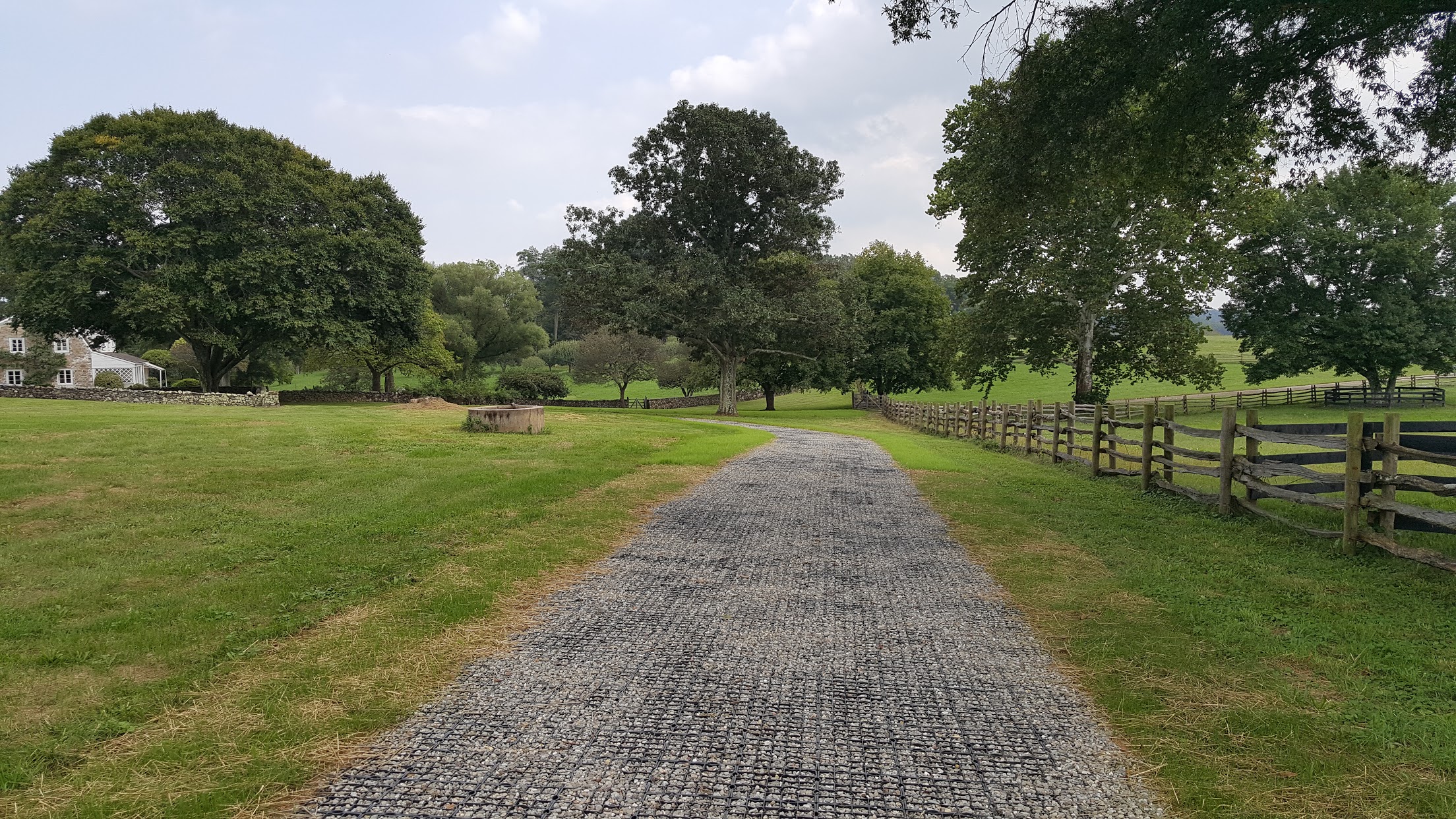
Pavers, specifically permeable ones, are built differently from asphalt. Instead of one solid sheet, a driveway paver system is made up of individual units laid over a compacted base. That structure matters in winter because it changes how the surface reacts to movement, moisture, and freezing temperatures.
What you can expect if you install permeable paving at your home:
Movement Without the Cracks
Freeze-thaw cycles cause ground movement, even when the base is well-built. With permeable pavers, small shifts are less likely to turn into major damage because the system has built-in flexibility at the joints. You may still see some movement over time, but it’s typically more manageable, and it doesn’t automatically mean a cracked, damaged surface.
Better Drainage Means Less Ice
This is where permeable pavers really separate themselves. Traditional surfaces like asphalt are non-porous, so meltwater has nowhere to go except across the top. That creates puddles, refreezing, and black ice.
Frost Heave Risk Drops When Water Has Somewhere to Go
Frost heave is most aggressive when moisture is trapped in the base and freezes. Since permeable systems are built around controlled drainage, they help reduce the amount of water that can sit where it can expand and push upward.
That does not mean frost heave becomes impossible, but it does mean your driveway is not fighting against trapped water all winter long.
Traction and Surface Texture Can Be More Predictable
Many homeowners notice that permeable pavers feel more stable underfoot in winter, especially when you have light snow melt happening throughout the day. The surface texture and joints can provide extra grip compared to a smooth, worn asphalt driveway, which tends to get slick when it’s wet and refreezes.
Repairs Are Usually More Targeted
One of the more practical benefits of permeable pavers is how easily repairs are made. Most of the time, permeable pavers require little maintenance. But if a spot ever settles or a few pavers move, it is usually a quick, localized fix rather than a big tear-out.
That’s a quieter advantage over time, especially in climates where a driveway takes a beating every year.
What About Cost and Maintenance?
It’s true that asphalt driveway paving usually wins on upfront cost. If you need a quick, budget-friendly solution, asphalt can make sense, especially if you’re comfortable with periodic crack filling, sealing, and eventual resurfacing.
Permeable pavers, on the other hand, tend to be a higher upfront investment. But they often make up ground in longevity, drainage performance, and the ease of spot repairs. If winter safety, surface stability, and reducing ice buildup matter to you, permeable pavers can be a smart “buy once, maintain lightly” kind of choice.
Quick Comparison: Asphalt vs Pavers in Canadian Winters
| Factor | Asphalt | Permeable Pavers |
|---|---|---|
| Cracking | More prone to cracking since it’s a single sheet | Handle movement more effectively |
| Ice and pooling | Water pools on the surface | Helps water drain away, reducing pooling, puddles, and ice in winter |
| Frost heave | Depends heavily on base quality | Also depends on base quality, but drainage-forward systems can reduce risk |
| Repairs | Issues often spread and stay visible, even with repairs | Repairs are typically localized and cleaner |
| Long-term value | Cheaper upfront | Often wins on lifespan and winter performance |
How to Choose for Your Home
If your driveway regularly turns into an ice patch, puddles near the garage, or shows new cracks every spring, it’s usually a drainage and freeze-thaw issue, not just “normal wear.” In those situations, it’s worth considering solutions that manage water more effectively and tolerate Canadian winters without breaking apart.
If you’re planning to stay in your home long-term and want a driveway that performs year-round, permeable pavers are often the more dependable option.
The Ecoraster Difference
If you’re thinking about making the switch to permeable pavers, the brand you choose matters. Not all systems are built to handle heavy traffic, snow removal, and years of freeze-thaw cycles.
Ecoraster is designed as a ground reinforcement system first, which is a big reason it performs so well in demanding conditions.
- Built for high-load, high-traffic applications: Ecoraster permeable pavers are often used in heavy-duty environments. Even NATO and the Department of Defence trust Ecoraster! From residential driveways to military bases, we support sustainable infrastructure.
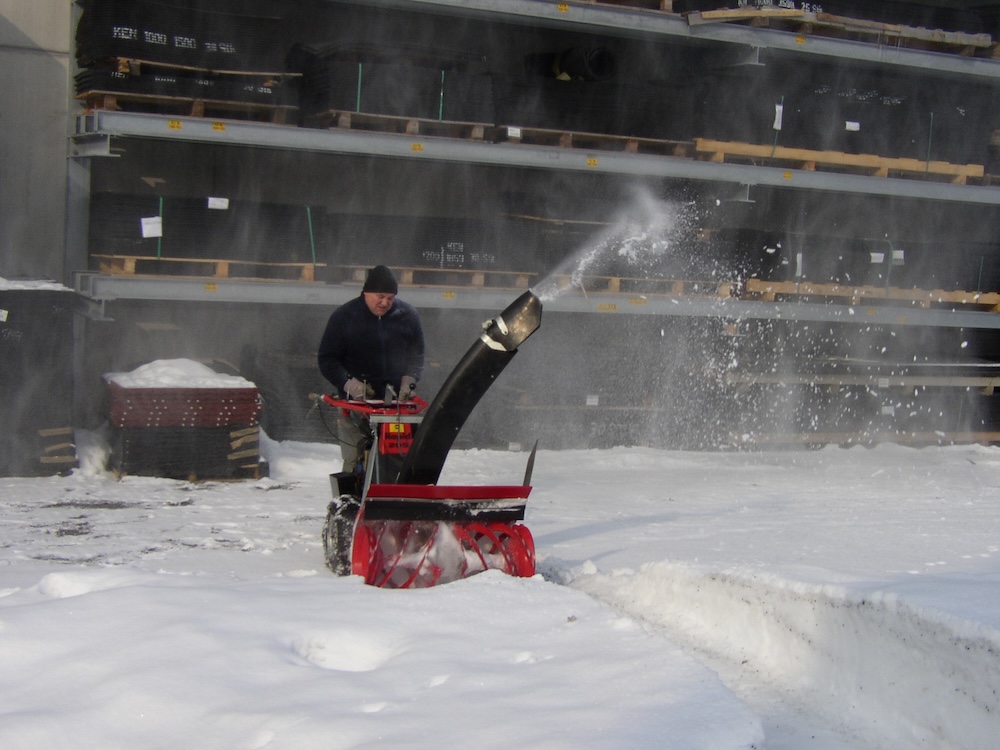
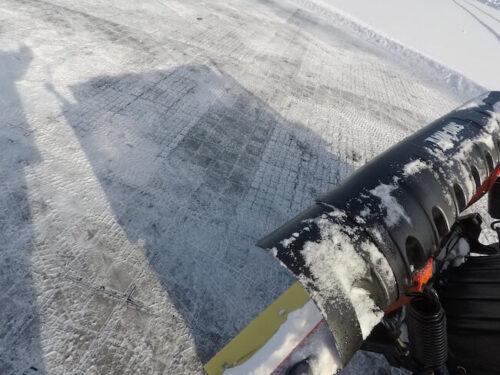
- Designed for real winter maintenance: Our Ecoraster products are easy to maintain in winter. Whether you want to plow, shovel, or snowblow, our permeable pavers will hold up. They’re built to withstand the harsh conditions of Canadian winters.
- Long-term performance and warranty backing: With Ecoraster, you won’t need to worry about replacing or repairing your driveway anytime soon. We offer a 20-year warranty, reinforcing that this is meant to be a long-term, durable solution rather than a short-cycle surface.
- Sustainability without compromising the build: Ecoraster’s interlocking pavers are made of 100% recycled plastic and function as a permeable system that supports stormwater management.
We can help you. Contact us about your upcoming project and see the difference for yourself.