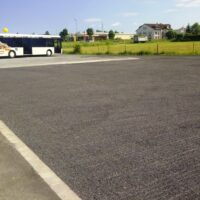
E40 vs E50: Which Permeable Grid Is Right for Your Project?
Compare ECORASTER E40 and E50 to find the right permeable grid for your project, traffic needs, and surface material. Learn how both systems help manage runoff, reduce rutting, and support stable grass or gravel surfaces.
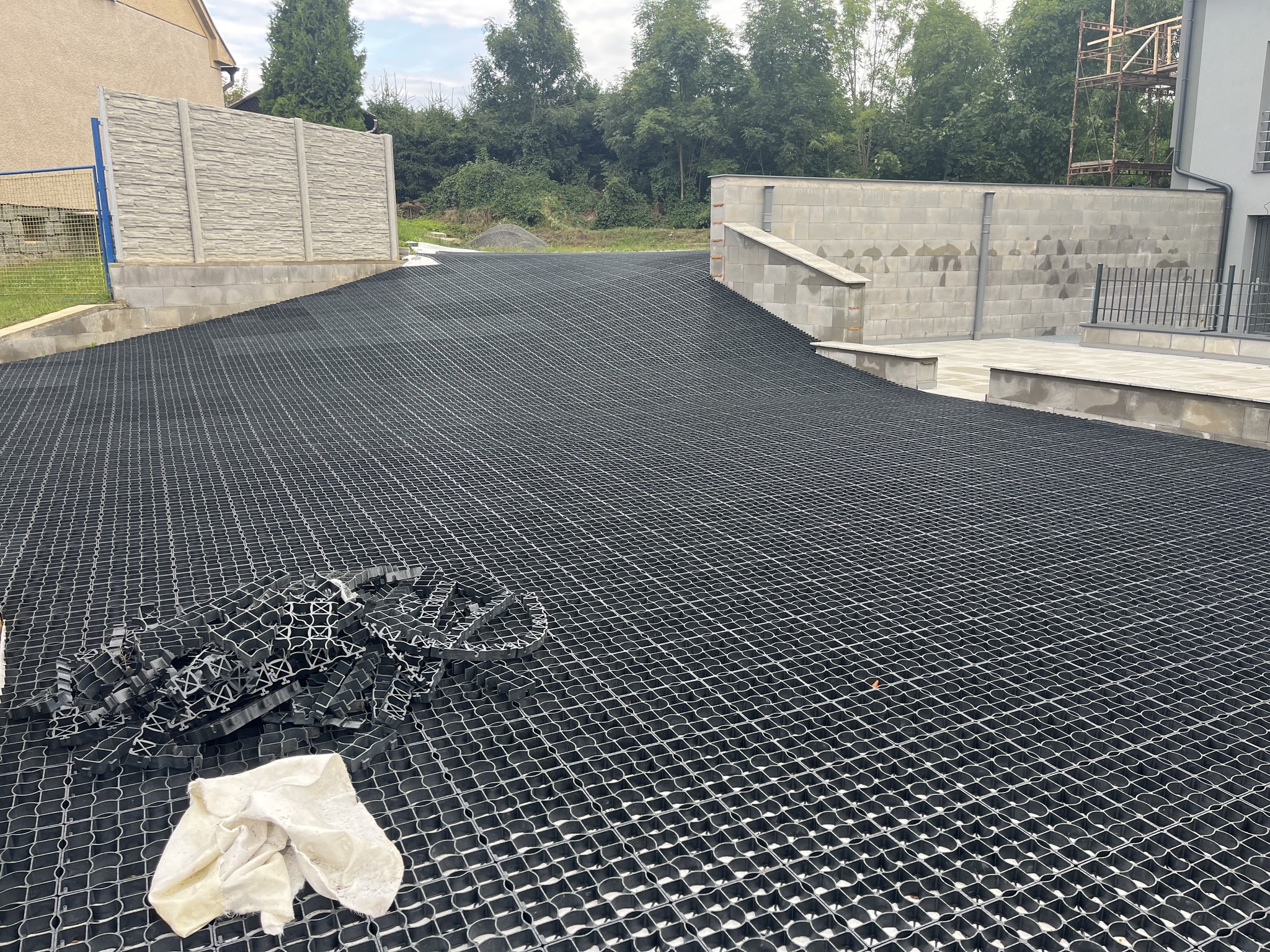
Which ECORASTER grid should you choose: E40 or E50?
Choose E40 for residential driveways, garden paths, parking areas, and other light-to-medium-duty applications. Choose E50 for heavier traffic, commercial areas, storage surfaces, emergency access routes, and projects exposed to higher loads. Both grids create permeable, stable surfaces that can be filled with grass or gravel.
Choosing between ECORASTER E40 and E50 starts with understanding how your surface will be used. Both systems reinforce the ground while allowing rainwater to filter through, but they are designed for different load requirements.
E40 suits many residential and landscape projects, while E50 is built for heavier traffic and demanding applications. This guide explains the difference so you can choose the right grid for a stable, permeable surface filled with grass, gravel, or other suitable materials.
E40 vs. E50: Which Grid Fits Your Project?
The main difference between ECORASTER E40 and E50 is the level of use they are designed to handle. Both create a stable, permeable surface that can be filled with grass or gravel, but E50 is built for heavier loads and higher traffic.
| Feature | ECORASTER E40 | ECORASTER E50 |
|---|---|---|
| Best suited for | Residential and light-to-medium-duty projects | Heavy-duty and high-traffic projects |
| Typical applications | Driveways, garden paths, parking areas, campsites, and landscaping | Commercial parking, storage areas, access roads, and emergency routes |
| Grid height | Approximately 1.6 inches | Approximately 2 inches |
| Fill options | Grass or gravel | Grass, gravel, or compatible paving systems |
| Main advantage | Lightweight, versatile, and easy to install | Greater reinforcement for heavier loads |
| Choose it when | The area will handle household vehicles, pedestrians, or occasional traffic | The area will handle frequent traffic, heavy vehicles, or concentrated loads |
Both systems support permeable design by allowing water to move through the surface instead of collecting in puddles or running across sealed pavement. The right choice depends on the expected traffic, vehicle weight, fill material, and prepared base.
If your project falls between the two categories, a product consultation can help confirm which grid and installation method best fit the site.
When Is ECORASTER E40 the Right Choice?
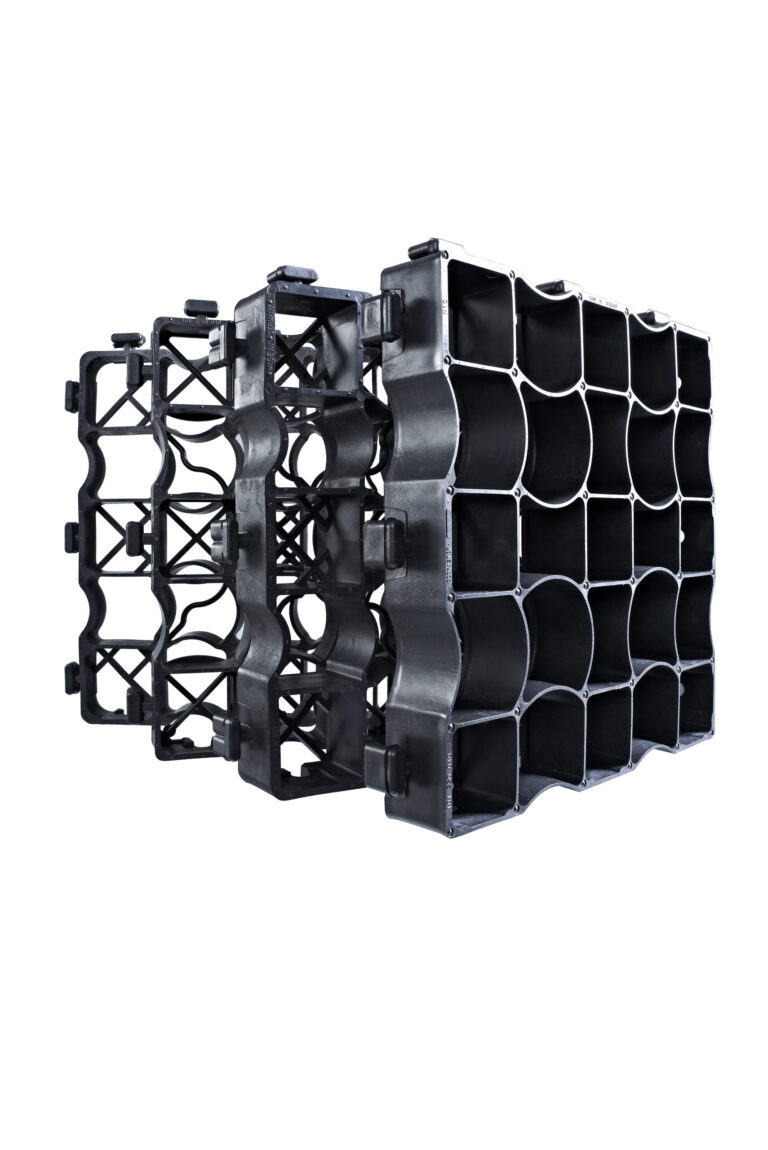
ECORASTER E40 is the versatile option for projects with light-to-medium traffic and everyday vehicle loads. Its lower profile and lightweight design make it well suited to residential and landscape applications.
Choose the E40 permeable grid for:
- Residential driveways and parking areas
- Garden paths and walkways
- Campsites and recreational areas
- Grass or gravel surfaces around homes
- Areas that need better drainage without a fully paved surface
E40 helps stabilize the ground so vehicles and foot traffic are less likely to create ruts, mud, or uneven areas. Its open grid also allows rainwater to move into the ground rather than pooling on top of a sealed surface.
For a residential driveway, garden access route, or landscaped parking area, E40 often provides the reinforcement needed without using a heavier-duty system than the project requires.
When Is ECORASTER E50 the Right Choice?
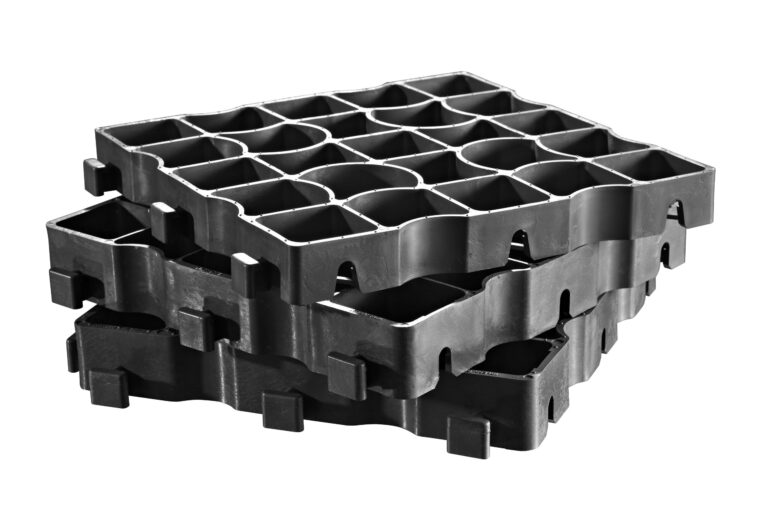
ECORASTER E50 is designed for projects exposed to heavier traffic, larger vehicles, and concentrated loads. Its thicker, deeper grid provides additional reinforcement where a lighter-duty system may not be enough.
Choose the E50 permeable grid for:
- Commercial parking and access areas
- Storage yards and loading areas
- Heavy-vehicle driveways and service roads
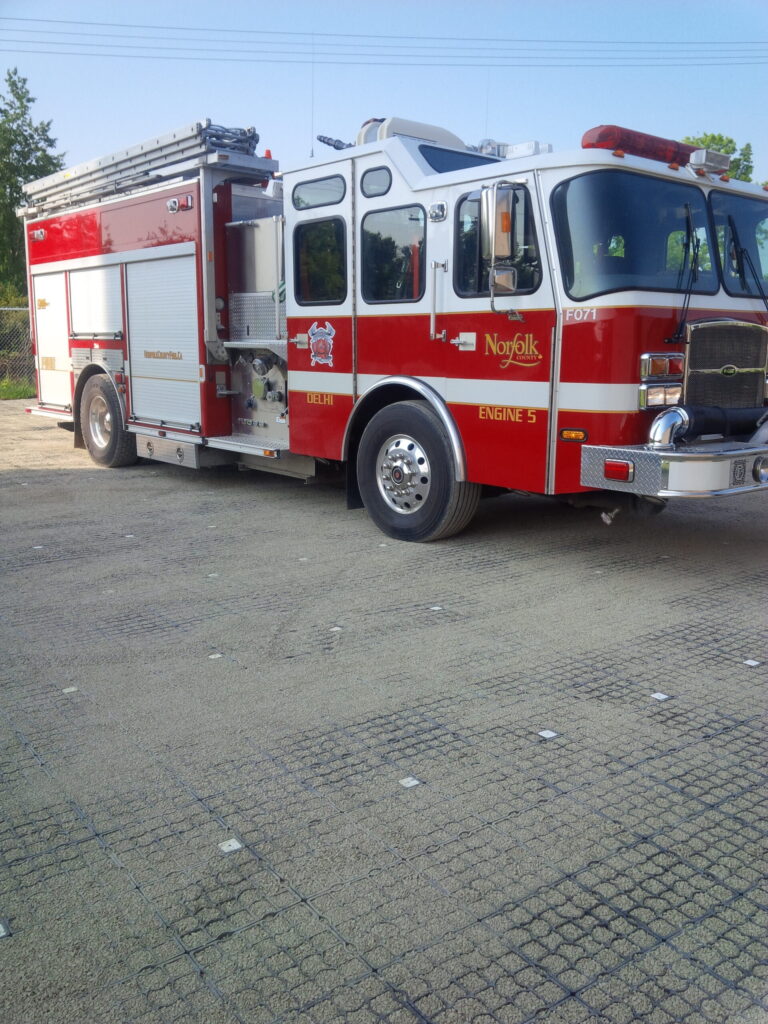
- Emergency and fire department access routes
- Industrial, agricultural, and municipal applications
- Areas with frequent traffic or concentrated wheel loads
E50 can be filled with gravel or planted with grass, allowing the finished surface to remain permeable while supporting demanding use. It helps distribute weight across the surface, reducing rutting, erosion, and repeated repairs.
For projects involving delivery vehicles, heavy equipment, emergency access, or frequent traffic, E50 provides a stronger margin of support than E40.
Why ECORASTER Wins Where Asphalt Fails
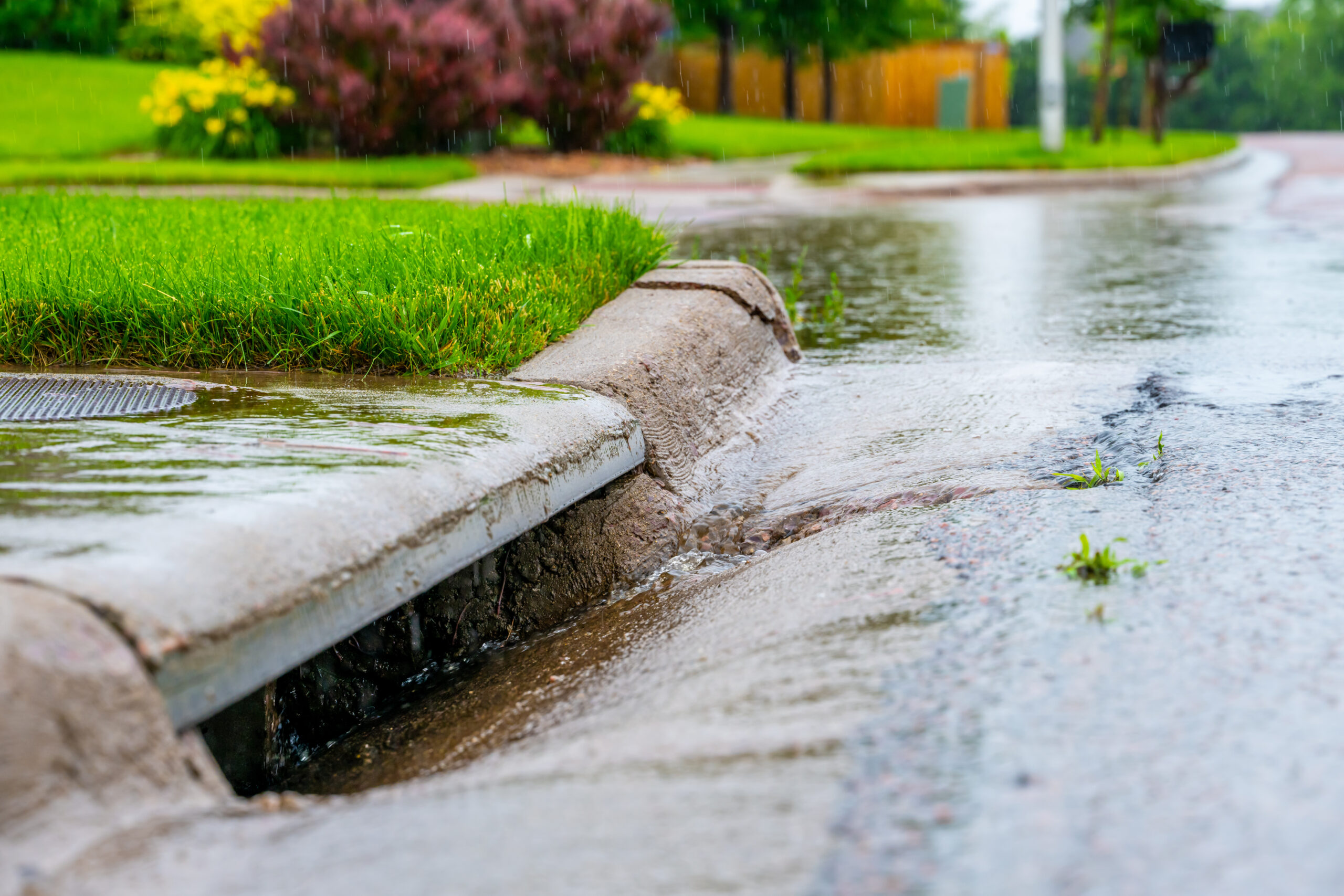
Asphalt seals the ground, forcing rain and thaw water to run across the surface. During a heavy Canadian thaw, that water can enter cracks, collect in low areas, and contribute to potholes and erosion.
ECORASTER reinforces the ground while allowing water to filter through grass- or gravel-filled grids. It works with the site’s natural water cycle, helping reduce puddles, rutting, and maintenance.
That makes permeable paving a forward-thinking option for driveways, parking areas, access routes, and landscaped surfaces. Explore ECORASTER’s permeable paving systems to find the right grid for your project.
FAQs About ECORASTER E40 and E50
Q: Is E40 or E50 better for a residential driveway?
E40 is usually suitable for a residential driveway, especially when it will handle standard household vehicles. E50 may be the better choice if the driveway regularly receives heavier vehicles, trailers, deliveries, or concentrated loads.
Q: Can ECORASTER grids be filled with grass or gravel?
Yes. Both E40 and E50 can support grass or gravel surfaces when installed over the appropriate prepared base. The best fill depends on the project’s drainage, appearance, traffic, and maintenance needs.
Q: Do ECORASTER grids help with drainage?
Yes. The permeable grid allows rainwater to move through the surface instead of collecting on top of sealed pavement. Proper excavation, base preparation, and installation remain essential to effective drainage.
Conclusion: Choose the Right ECORASTER Grid for Your Project
E40 is a versatile choice for residential and light-to-medium-duty applications. E50 provides additional reinforcement for heavier traffic, larger vehicles, and demanding commercial or access areas. Both support stable, permeable surfaces that can help manage runoff and reduce rutting.
Still deciding? Speak with the ECORASTER team about your site, expected loads, and preferred surface material.