
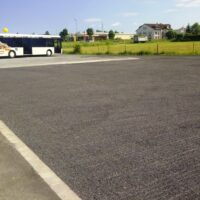
Why Should You Fix Drainage Problems Before Winter?
Drainage problems can become significantly more expensive once winter arrives. Standing water, uncontrolled runoff, and saturated ground can freeze, worsen erosion, destabilize high-traffic surfaces, and leave behind larger repairs when the snow melts.
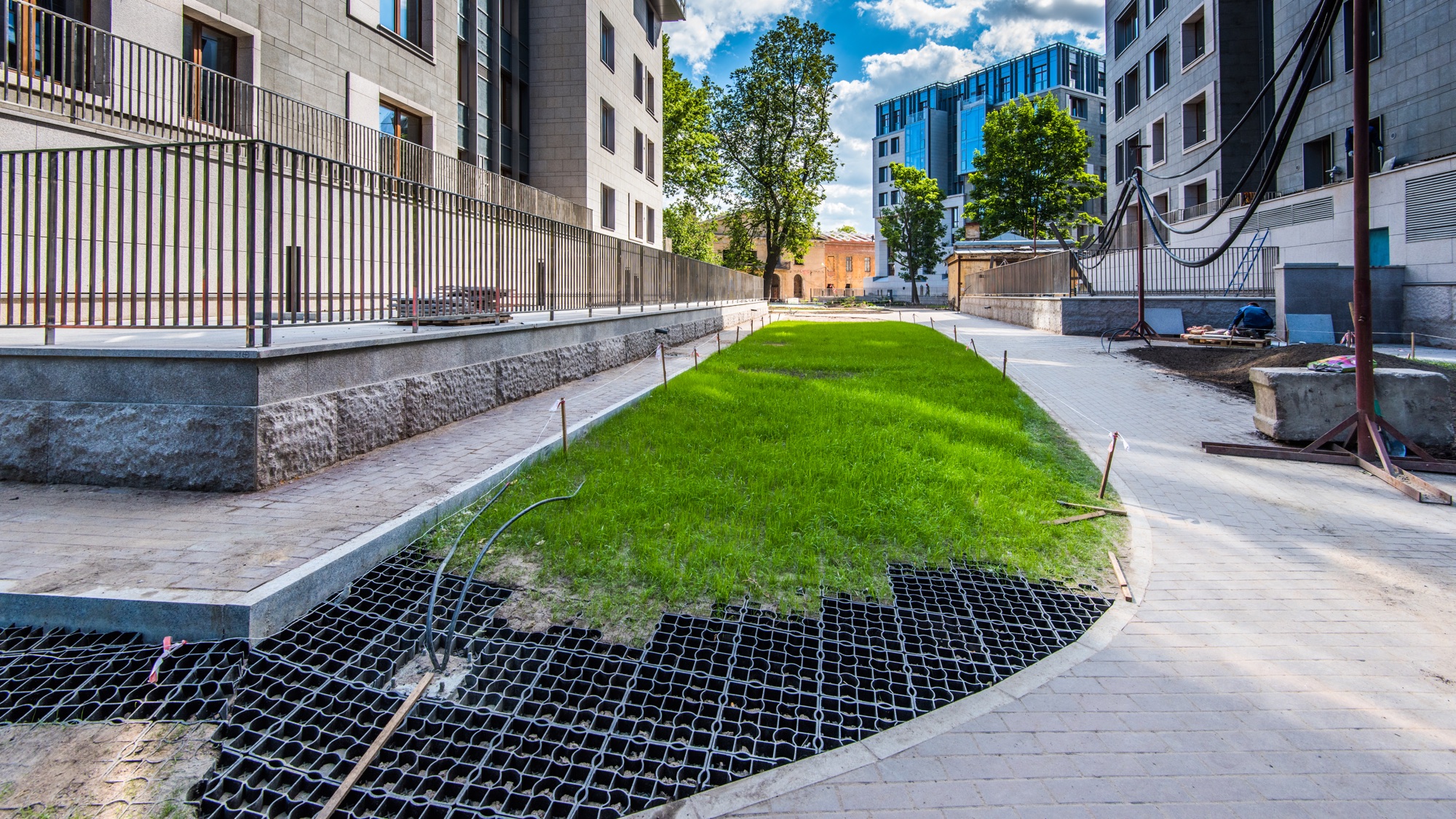
Why Should You Fix Drainage Problems Before Winter?Fix drainage problems before winter because trapped water can freeze, expand, and weaken already saturated ground. When snowmelt arrives, the same low spots and damaged drainage paths receive even more water, turning a manageable fall problem into spring erosion, rutting, frost heave, or surface failure.Addressing the source now gives you time to correct grading, redirect runoff, or install permeable ground reinforcement before the ground freezes. In most cases, improving drainage in the fall is easier and less expensive than repairing winter damage in the spring.
For commercial, agricultural, and municipal properties, fall is the best time to find out where water is collecting and fix the problem while the ground is still workable. Improving drainage now can help keep roads, parking areas, trails, and work zones stable and usable through the freeze-thaw cycles ahead.
Why Do Drainage Problems Get Worse During Winter?
Water does not stop causing trouble simply because the temperature drops. Moisture trapped in soil or beneath a driving surface can freeze and form ice lenses that push the ground upward. This movement, known as frost heave, can leave roads, parking areas, trails, and other surfaces uneven or damaged.
Thawing creates another problem. As the ice melts, it releases water back into soil that may already be saturated. The ground can lose strength just as vehicles, equipment, or livestock begin moving across it again, leading to rutting, settlement, and deep spring mud.
Snowmelt then sends a large volume of water toward the same low spots and drainage paths that caused problems in the fall. If those drainage problems are not corrected before winter, each freeze-thaw cycle has another opportunity to make the damage worse.
What Are the Warning Signs of Poor Drainage?
A property will usually show you where its weak points are before winter arrives. The best time to look is during or shortly after a heavy fall rain, when you can see where water travels and how quickly the site recovers.
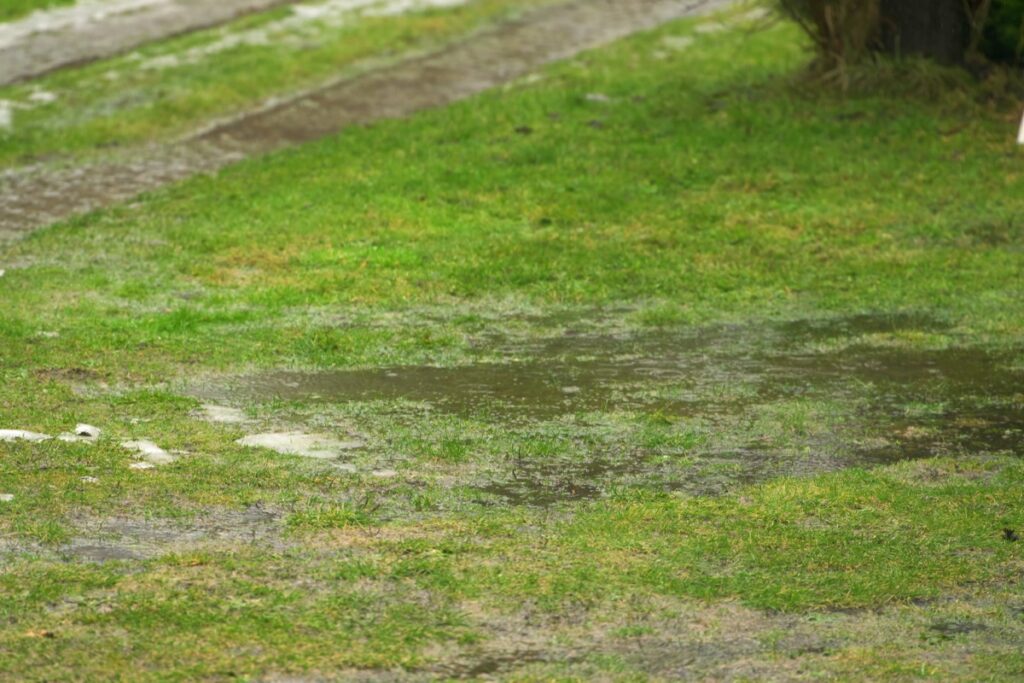
Watch for:
- Standing water that remains long after the rain has stopped
- Mud or soft ground along access roads, parking areas, trails, and barn entrances
- Ruts that collect water or continue getting deeper under traffic
- Gravel and soil washing away from roads, slopes, or pavement edges
- Sediment collecting around drains, culverts, and low points
- Water flowing across areas that were intended to stay dry
- Recurring ice in the same locations whenever temperatures fall
These signs often share the same underlying problem: water is reaching the surface faster than the property can absorb, redirect, or drain it. Identifying those trouble spots in the fall makes it much easier to choose the right standing water solution before winter hides the evidence under snow and ice.
How Can You Fix Drainage Problems Before Winter?
Not every wet area needs the same repair. The right approach depends on where the water comes from, where it collects, and what the surface needs to support.
1. Can Clearing Drains and Culverts Fix Standing Water?
Leaves, sediment, gravel, and other debris can block existing drainage routes during the fall. Clearing catch basins, culverts, channels, and swales may be enough to restore water flow before freezing temperatures arrive.
This is also the time to look for damaged pipes, collapsed edges, or outlets that direct water toward another vulnerable area.
2. Can Better Grading Solve Poor Property Drainage?
A low spot will keep collecting water until the shape of the site changes. Regrading can remove depressions, create a more effective slope, and guide runoff toward an appropriate drainage area.
The goal is controlled movement. Water should travel away from buildings and high-traffic surfaces without washing soil or gravel along with it.
3. Can Ground Reinforcement Reduce Winter Drainage Problems?
Vehicles, equipment, pedestrians, and livestock can compact wet soil and create ruts. Those ruts collect more water, which softens the ground further and makes the next pass even more damaging.
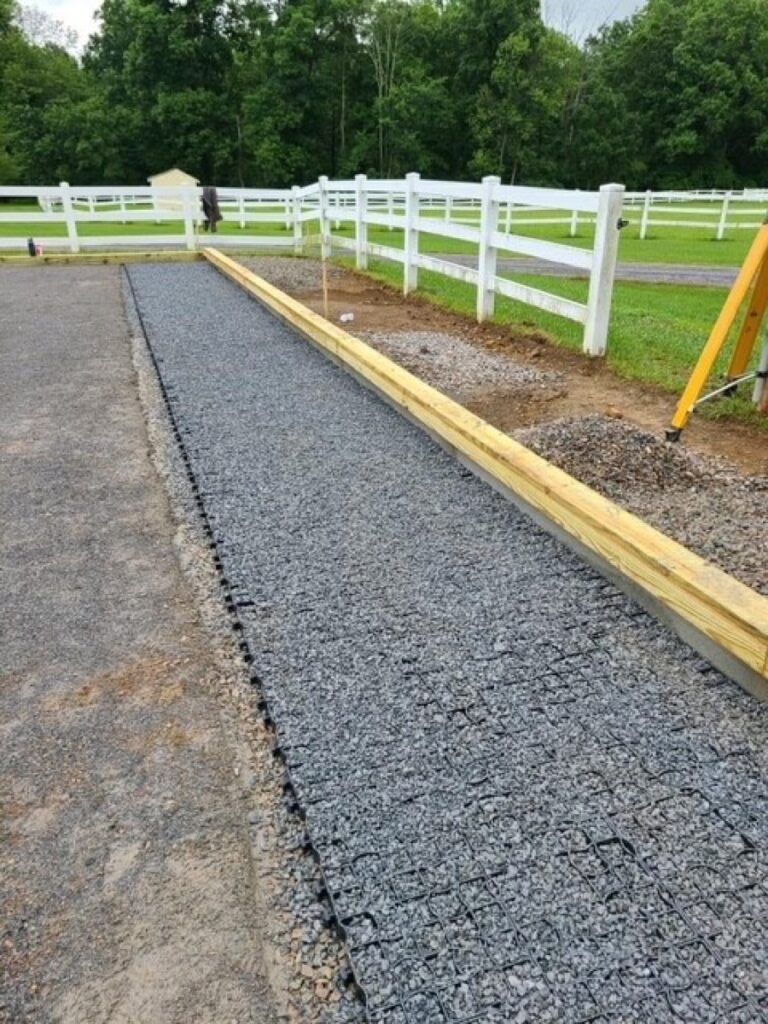
Ground reinforcement helps distribute weight and hold gravel or grass in place. This can stabilize parking areas, access roads, trails, barn entrances, paddocks, and other surfaces that still need to function during wet or freezing weather.
4. How Does Permeable Paving Improve Drainage?
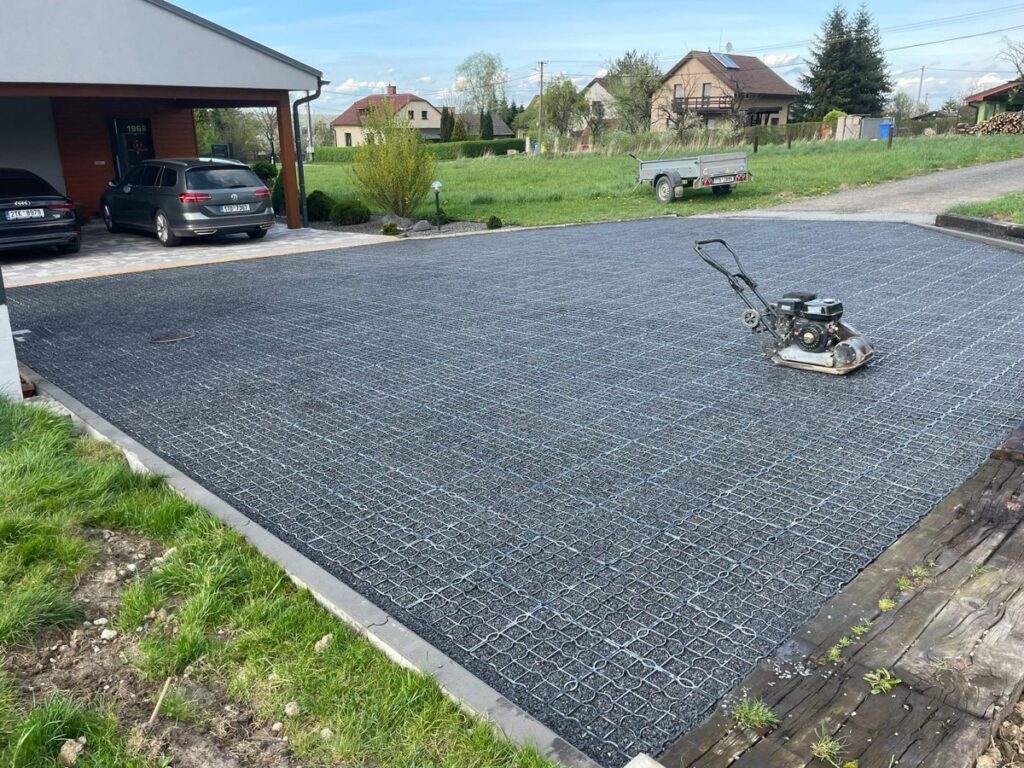
Using permeable paving for drainage allows rain and melting snow to move through the surface into a prepared aggregate base. This reduces the amount of water travelling sideways across the property or collecting in low spots.
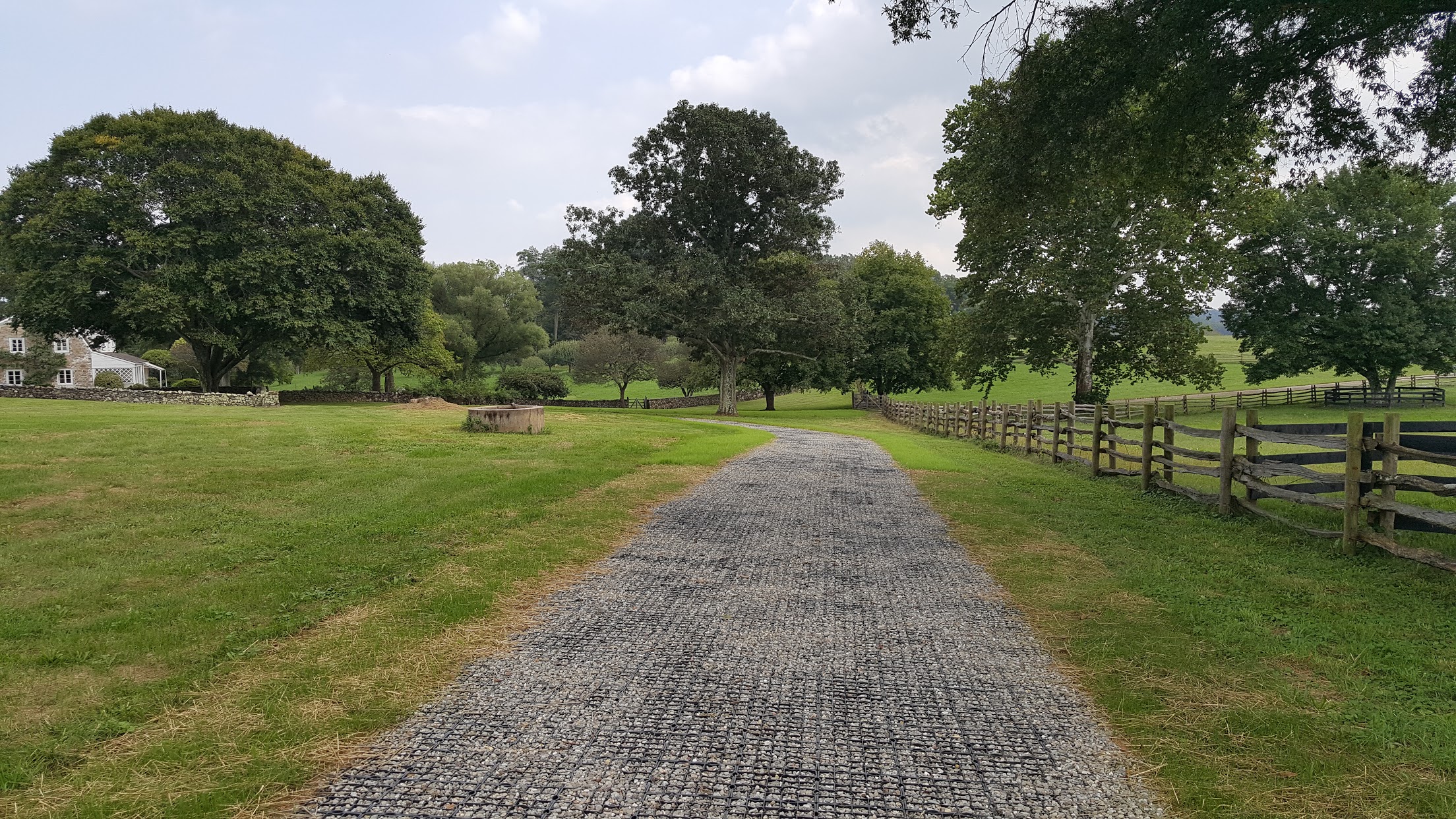
| Ecoraster E40 can reinforce driveways, trails, parking areas, and equestrian applications. | 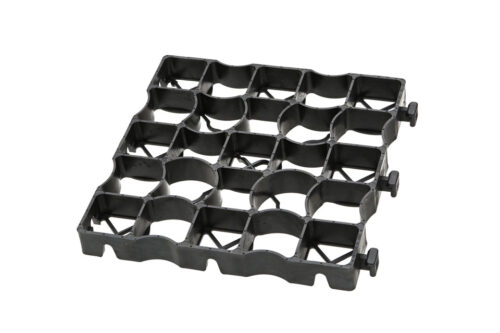 |
| For commercial, industrial, and other heavy-load settings, Ecoraster E50 provides a more robust ground reinforcement system. | 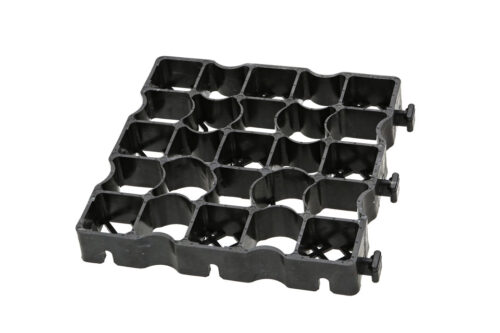 |
Permeable paving works best as part of a complete stormwater drainage solution that considers the surface, base, soil conditions, grading, and safe water discharge.
Why Do Winter Drainage Problems Cost More to Repair in Spring?
A drainage problem does not go into hibernation. Water continues moving beneath snow and ice, while each freeze-thaw cycle can enlarge weak spots that were already present in the fall. By spring, you may need to repair both the original drainage problem and the damage winter added to it.
That additional work can include:
- Rebuilding rutted or frost-damaged surface areas
- Replacing gravel or soil carried away by runoff
- Repairing washed-out road, trail, or parking edges
- Closing areas that have become unsafe or unusable
- Bringing in equipment after the ground has turned soft and muddy
Winter drainage problems can also interrupt normal operations. A damaged access road can slow farm equipment, standing water can reduce available parking, and recurring ice may create a safety concern for staff or the public.
Fixing the source in the fall is usually a more controlled project. Waiting until spring means working around whatever damage the weather has already decided to leave behind.
FAQs About Winter Drainage Problems
When Is the Best Time to Fix Drainage Problems?
Fall is an ideal time because rainfall makes problem areas easier to identify while the ground is still workable. Repairs become more difficult once the soil freezes or spring snowmelt begins.
What Are the Most Common Signs of Poor Property Drainage?
Look for standing water, recurring mud, deepening ruts, washed-out gravel, sediment buildup, and ice repeatedly forming in the same locations.
Can Permeable Paving Improve Winter Drainage?
Yes. When properly designed and installed, permeable paving allows rain and melting snow to drain into the aggregate base instead of collecting on the surface.
Which Ecoraster Product Is Right for My Property?
E40 is designed for light- to medium-duty areas such as trails, driveways, and parking. E50 provides heavier reinforcement for commercial, industrial, and other high-load applications.
Can Ecoraster Help Fix Your Drainage Before Winter?
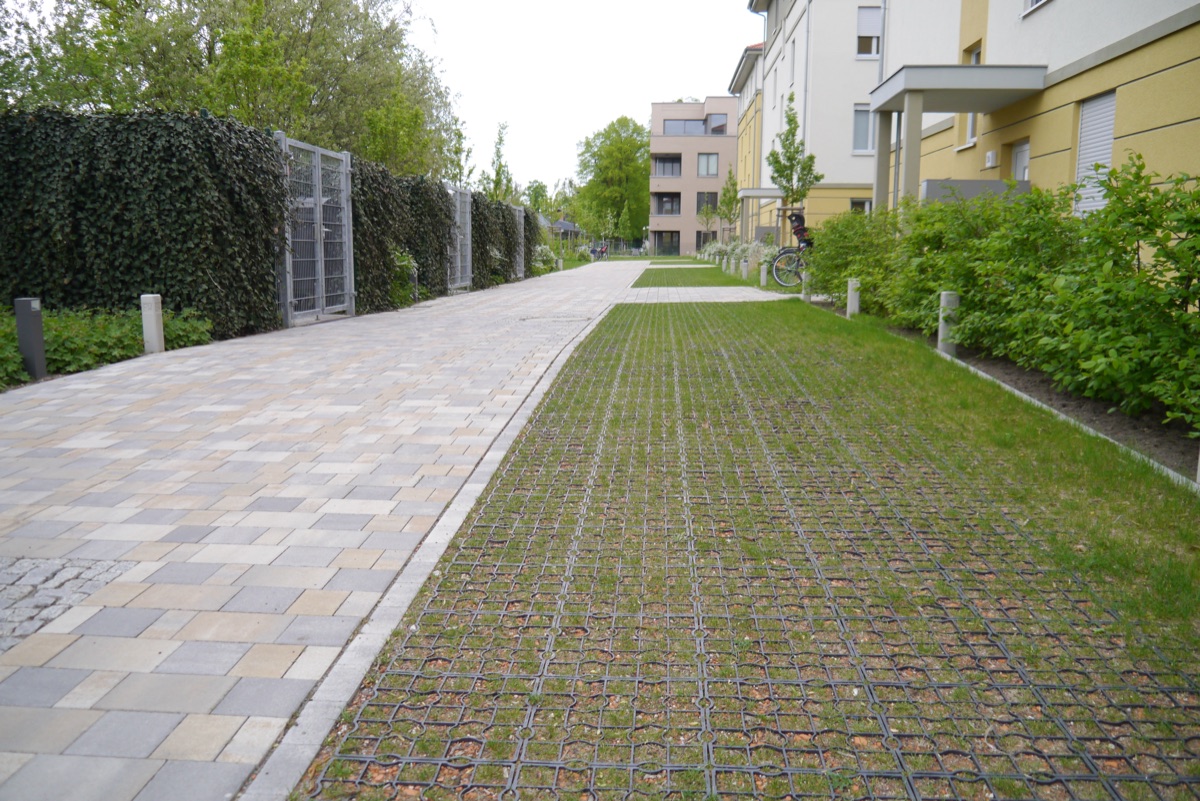
If fall rain is already revealing standing water, rutting, or unstable ground, winter is unlikely to improve the situation. Ecoraster combines ground reinforcement with surface permeability, helping high-traffic areas remain stable while rain and snowmelt drain into the base below.
Every property has different traffic, soil, and drainage demands. Book before winter to discuss your site with the Ecoraster team and find the right solution before the ground freezes.