Planning a Spring 2027 Project? Here’s What to Do Before Winter
Planning a spring paving project? Use fall to assess the site, choose the right ECORASTER system, and get ready for spring.
If you’re planning a spring paving project for 2027, fall is the time to assess drainage, decide what the finished surface needs to handle, choose the right ECORASTER system, and figure out what needs to happen below the surface.
It may be too early to start digging, but it’s not too early to start planning.
Fall is a good time to look closely at the site before frozen ground or snow makes problem areas harder to spot. For a permeable paving project, pay attention to drainage, soil conditions, traffic loads, and the condition of the existing surface.
Take notes. Take photos. The more information you gather now, the easier it will be to plan the right system and installation for your project.
Start by Looking at the Site in Wet Weather
Rain can show you things that are easy to miss on a dry day.
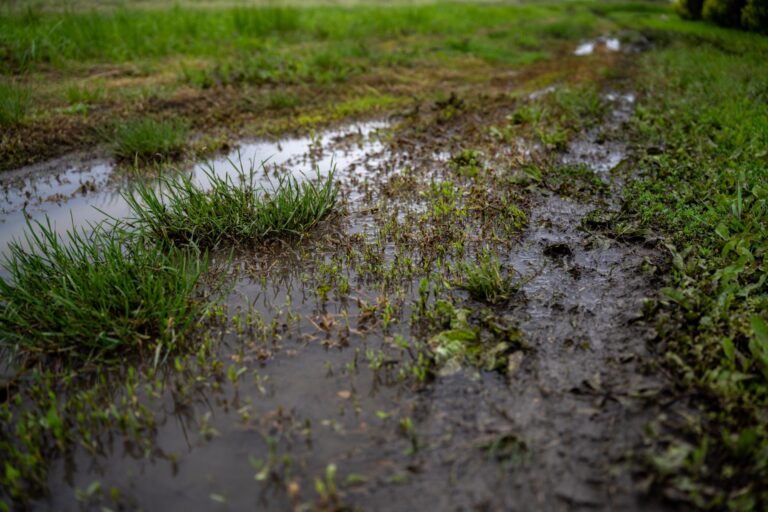
If water is pooling in the same low spot after every storm, that tells you the grade may need attention. If gravel is washing toward the edge of a driveway or parking area, runoff is already moving material around. Deep tire ruts or soft, muddy sections can point to areas where the existing base is not holding up well under traffic.
Pay particular attention to:
- Water that remains on the surface long after the rain stops
- Mud or soft ground where vehicles regularly travel
- Gravel collecting at the bottom of a slope
- Erosion along edges or drainage paths
- Water running toward a building, road, or neighbouring property
These observations help you understand what the site is doing now, before you start planning what goes on top of it.
For a permeable paving project, that matters because the surface is only one part of the job. If the existing site has grading, runoff, or base problems, those need to be accounted for in the design.
Decide What the Finished Surface Needs to Handle
Before choosing an ECORASTER system, think about the heaviest use the area will realistically see.
A residential driveway used by cars and light trucks has different demands than a commercial lot with delivery vehicles coming in every day. A service road may need to handle heavier equipment. A trail or overflow parking area may only see occasional vehicle traffic.
That distinction matters because the surface should be designed for its toughest regular use, not just its average day.
Ask yourself:
- What types of vehicles will use the area?
- How often will they use it?
- Will vehicles turn, brake, or park in the same spots repeatedly?
- Could delivery trucks, maintenance vehicles, trailers, or equipment use the surface?
- Is the area strictly for vehicles, or will it also serve pedestrians, landscaping, or recreational use?
Those answers help narrow down the right ECORASTER product and base design.
For example, E40 is commonly used for lighter-duty applications such as residential driveways, trails, and parking areas. E50 is built for heavier-duty commercial and industrial applications where the surface may see greater loads or more frequent traffic.
Choosing based on real use now helps avoid overbuilding the project or, worse, specifying a system that is not suited to what the site will actually face.
Plan What Needs to Happen Below the Surface
Once you know how the area will be used, the next question is what the ground underneath it needs.
A permeable paving installation is not simply a matter of laying ECORASTER over the existing surface. The subgrade and base have to support the expected loads while still allowing water to move through the system.
For example, a soft section of soil may need more preparation than a firm, well-draining site. A driveway that regularly carries trucks may require a different base than a garden path. On sites where the existing soil drains poorly, the drainage design may also need to include a subdrain or other way to move water out of the system.
ECORASTER specifications call for the base material and thickness to be adjusted for the specific site, loading, and drainage requirements. For gravel applications, the base is typically built with free-draining crushed aggregate, followed by a levelling course before the grid is installed.
This is worth sorting out during paving project planning because the work below the grid often determines how much excavation, aggregate, and site preparation the project will require.
If you are not sure what your site needs, gather measurements, photos, and details about how the area will be used, and we can help guide you toward the right approach.
Choose the Finished Surface
Once the structure of the project is sorted out, decide what you want the finished area to look and feel like.
ECORASTER can be used with different surface materials, and each one suits a different type of project.
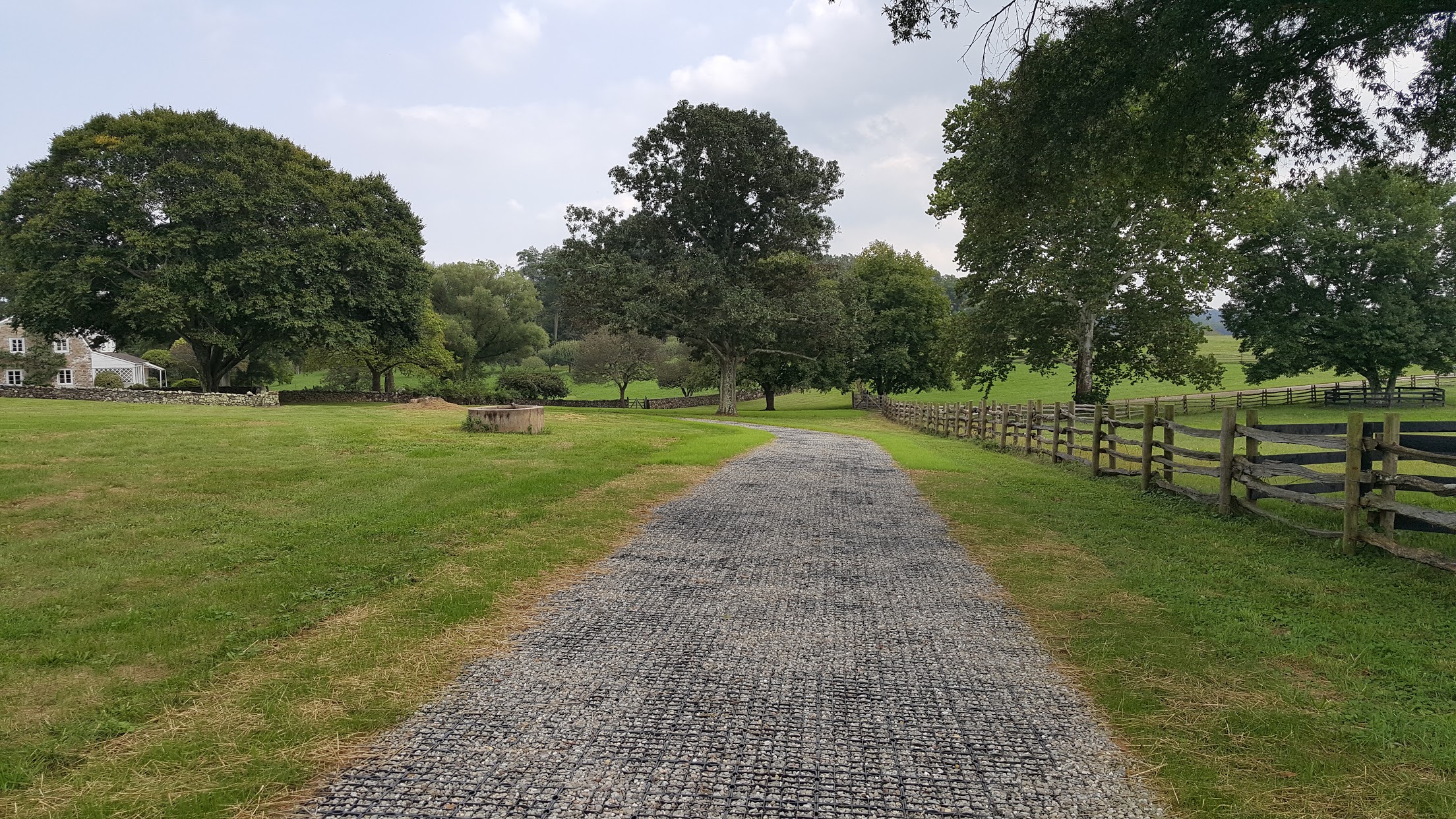
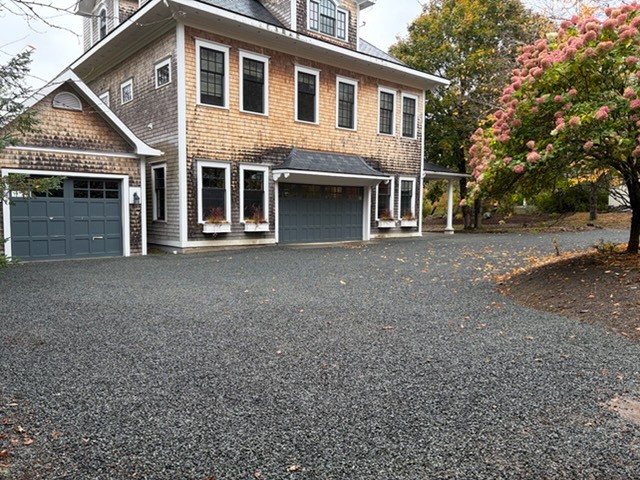
Gravel is a practical choice for driveways, parking areas, and access routes. The grid helps keep the stone in place, which can reduce rutting and the constant migration of gravel into surrounding areas.
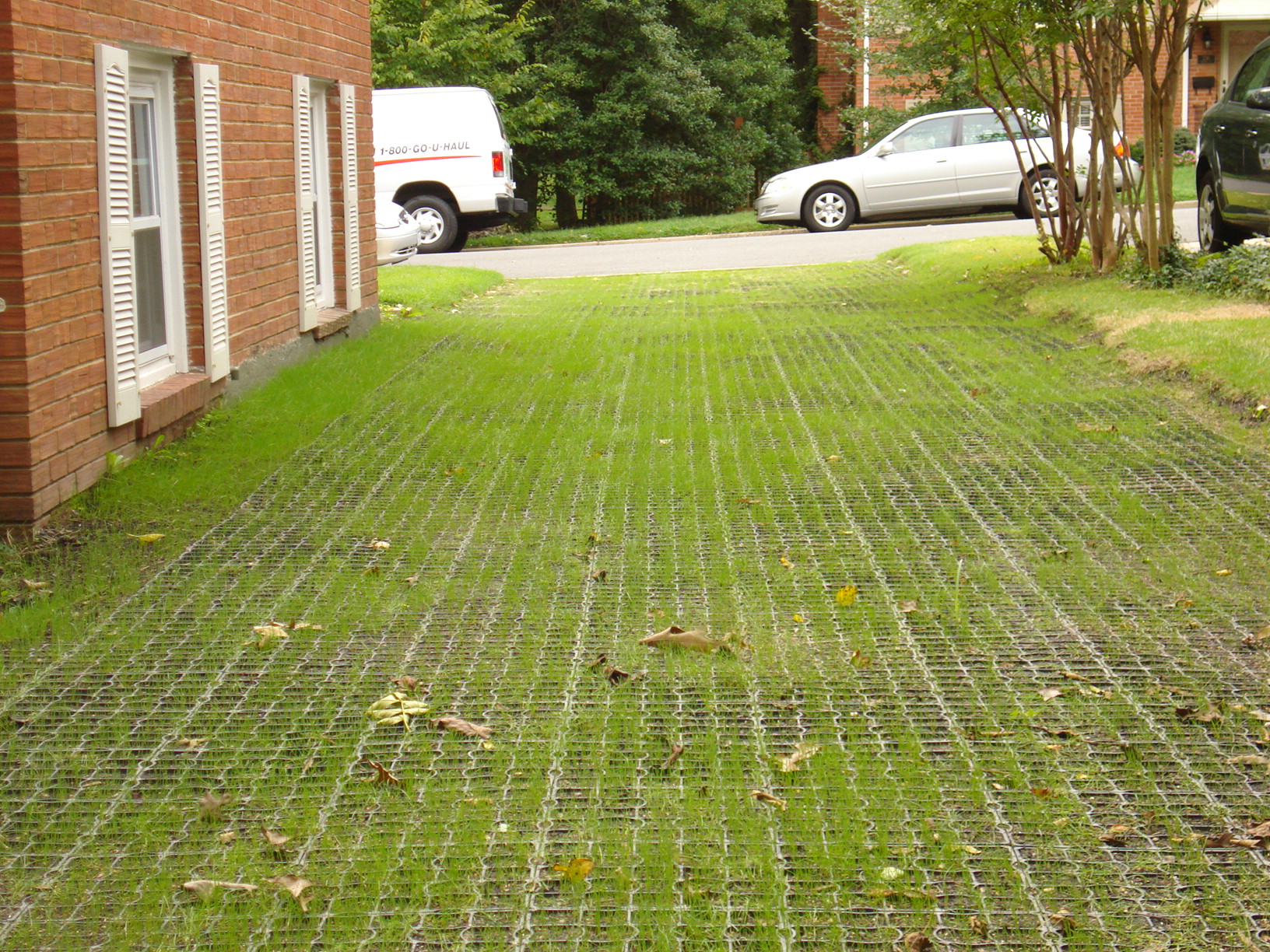
Grass works well where you want the area to stay green but still need reinforcement under occasional vehicle or foot traffic. Think overflow parking, event areas, or access routes that do not need to look like a conventional paved surface.
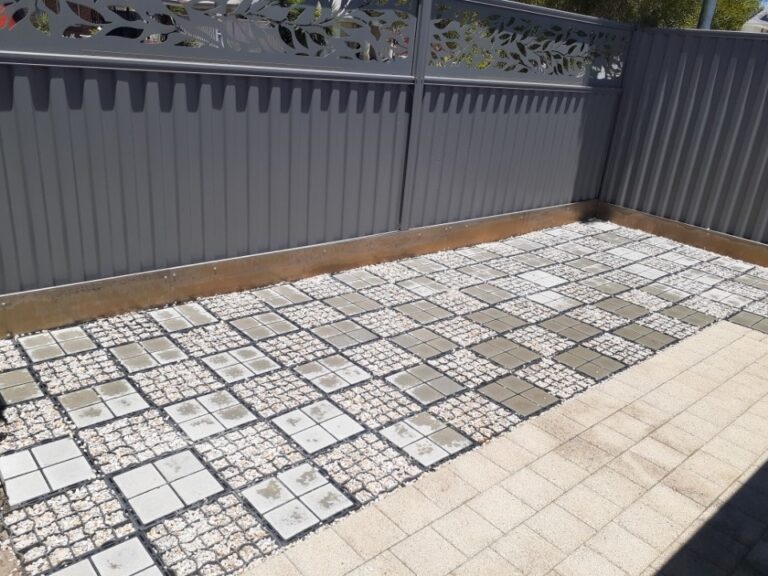
Pavers, such as ECORASTER Bloxx, are a better fit when appearance is a bigger priority and you want a more finished, traditional paving look while still allowing water to move through the system.
This is worth deciding before spring because the surface you choose affects the materials, installation steps, and final appearance of the project.
Measure the Project Area
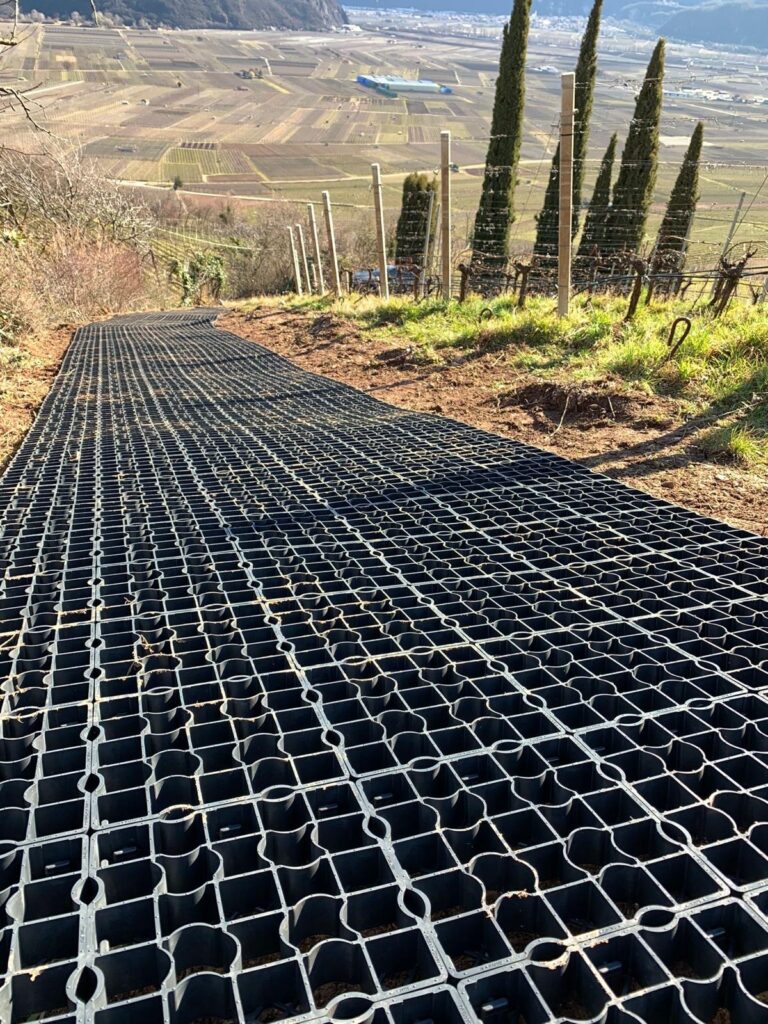
Once you have a general plan, get a reasonably accurate measurement of the area you want to pave.
For a simple rectangular driveway or parking pad, that may be as easy as measuring length by width. More complicated sites may need to be broken into several sections, especially if there are curves, landscaped areas, utility covers, or narrow access points.
It is also worth noting areas that could affect installation, such as:
- Changes in elevation
- Tight corners or transitions
- Existing curbs or retaining walls
- Drainage structures
- Utility covers or other obstacles
These details help when estimating how much material the project will require and can make the quoting process more accurate.
You do not need a finished construction drawing at this stage. A clear set of measurements and a rough sketch of the site can already give us a much better picture of what your spring paving project will involve.
FAQs About Planning a Spring Paving Project
Q: When should I start planning a spring paving project?
A: Fall is a good time to start. It gives you a chance to see how the site handles wet weather, measure the area, think through loads and surface options, and get a clearer idea of what the project will require before spring.
Q: Is permeable paving a good choice for areas with drainage problems?
A: It can be, but the surface is only part of the solution. Soil conditions, grading, base construction, and where the water ultimately goes all need to be considered as part of the drainage planning.
Q: Should I choose ECORASTER E40 or E50?
A: That depends on how the area will be used. E40 is suited to lighter-duty applications such as residential driveways, trails, and parking areas, while E50 is designed for heavier commercial, industrial, and high-load applications.
Q: What information should I have before requesting a quote?
A: Start with the size of the area, photos of the site, how the surface will be used, and any drainage or soil issues you have noticed. A rough sketch can also be helpful for more complicated layouts.
Conclusion: Start Planning Before Winter
You do not need to have every detail finalized before the snow arrives.
But if you understand how the site drains, what the surface needs to handle, what finish you want, and roughly how large the project is, you already have most of the information needed to start planning your spring paving project.
Bring us your measurements, photos, and questions, and we can help you determine the right ECORASTER system for the job.