

The Most Common Permeable Paver Installation Mistakes Are Avoidable… Here’s How
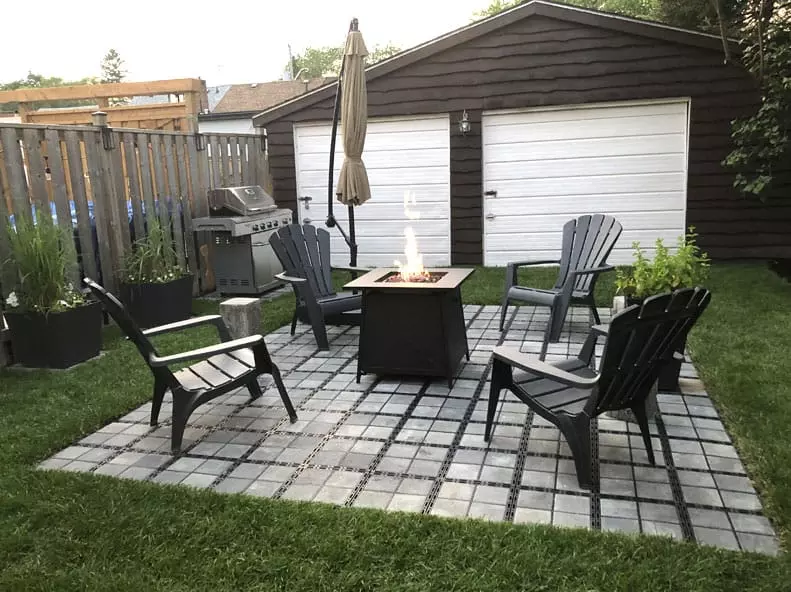
When most people think about building a patio and paver installation, the process seems pretty straightforward: dig out some soil, add gravel, level the sand, and lay the pavers.
Unfortunately, this mindset is where the problems start.
Traditional patio construction already has its share of common mistakes. Poor base preparation, improper slope, and rushed compaction often lead to shifting patio pavers, pooling water, and frost damage after just a few seasons.
As more homeowners and contractors choose permeable paving for their patios, it’s especially important to pay attention to detail, since the room for errors becomes even smaller.
Unlike conventional patio stones and pavers, permeable systems aren’t just decorative surfaces. They’re engineered water management solutions. That means installation isn’t only about appearance, it’s about long-term structural and drainage performance.
If you’re planning a permeable patio, here are four common installation mistakes and how to avoid them.
4 Mistakes People Make During a Permeable Paver Installation
1. Overlooking Subgrade Conditions
Even the best patio stones and pavers cannot compensate for unstable subgrade soil.
In both traditional and permeable patio construction, you must remove organic material and compact the soil properly. Uneven bearing capacity leads to settlement, while overly soft or saturated soil reduces long-term performance.
For permeable systems, the balance is especially important.
The subgrade must be stable enough to support loads while still allowing infiltration where appropriate. Under certain soil conditions, underdrain systems may be necessary to ensure stored water drains efficiently.
If you ignore subgrade preparation, you’ll regret it later. It’s one of the most costly mistakes in paver installation and often leads to costly repairs down the line.
2. Poor Base Preparation: The Root of Most Patio Failures
If you search for how to install patio stones, you will likely find simplified step-by-step guides. They can be a helpful starting place, but they often underestimate the importance of the base layer.
In a traditional patio, poor base prep usually shows up later as sinking spots, loose pavers, or an uneven surface. In Canada, freeze-thaw cycles only make those problems worse.
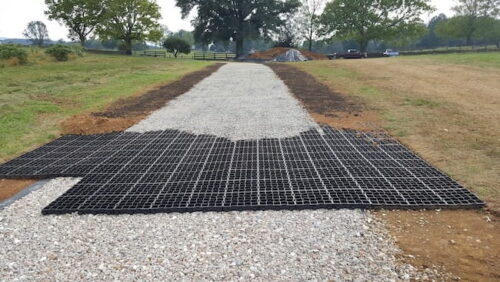
In a permeable system, the base does even more. It supports the surface, stores water, and helps it drain. If the base is too shallow, poorly compacted, or made with the wrong aggregate, the system won’t perform properly. For instance, materials with fines can reduce drainage and weaken the structure over time.
When we work with clients on a permeable Ecoraster patio, we start by assessing site conditions, soil type, and expected loads. From there, we determine the right excavation depth and use clean, open-graded aggregate that provides structural support while allowing water to move freely.
Ecoraster helps distribute loads evenly across the surface, but even the best grid system can only perform as well as the foundation underneath it.
3. Improper Drainage Planning: Assuming Permeable Means Problem Solved
A common mistake is assuming permeable pavers solve drainage issues on their own. They don’t.
Traditional patios rely on surface slope to move water away. Permeable systems differ because they allow water to pass through the surface and into the base below. But they still need proper drainage planning.
If the soil drains poorly, water can build up under the system. If groundwater is high, the base can stay saturated. In areas with heavy rainfall, overflow planning may also be needed.
To ensure there’s proper permeable patio installation, we start by evaluating site conditions. We make it clear that we cannot skip essential steps, such as soil testing, understanding rainfall patterns, and designing overflow or underdrain systems when needed.
When done correctly, permeable systems like Ecoraster help manage excess water effectively, reducing surface runoff and contributing to more sustainable patio construction.
4. Treating Permeable Pavers Like Traditional Patio Stones
Another common mistake is installing permeable pavers the same way you would install traditional patio stones.
If you take this approach, it can block drainage and reduce performance.
For example, polymeric sand works well in many traditional paver projects, but it can clog a permeable system. The wrong bedding material or incorrectly placed geotextile can also interfere with water flow.
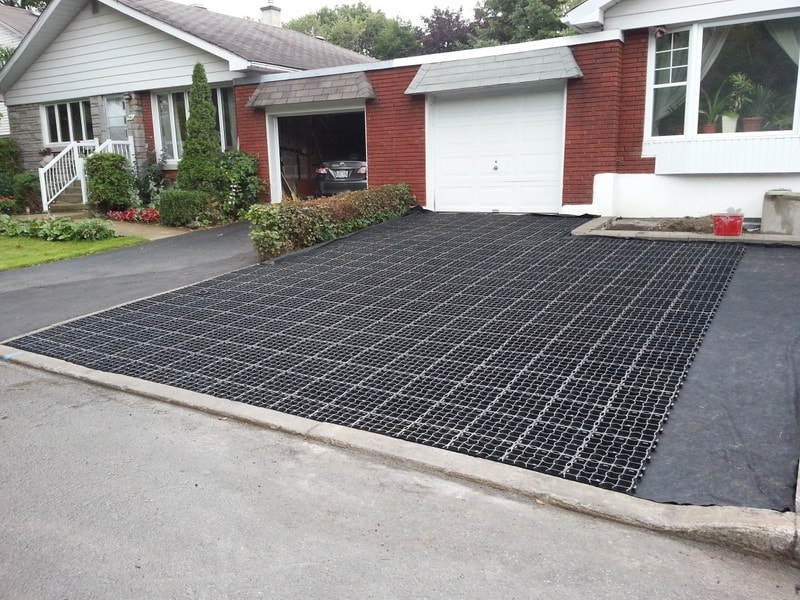
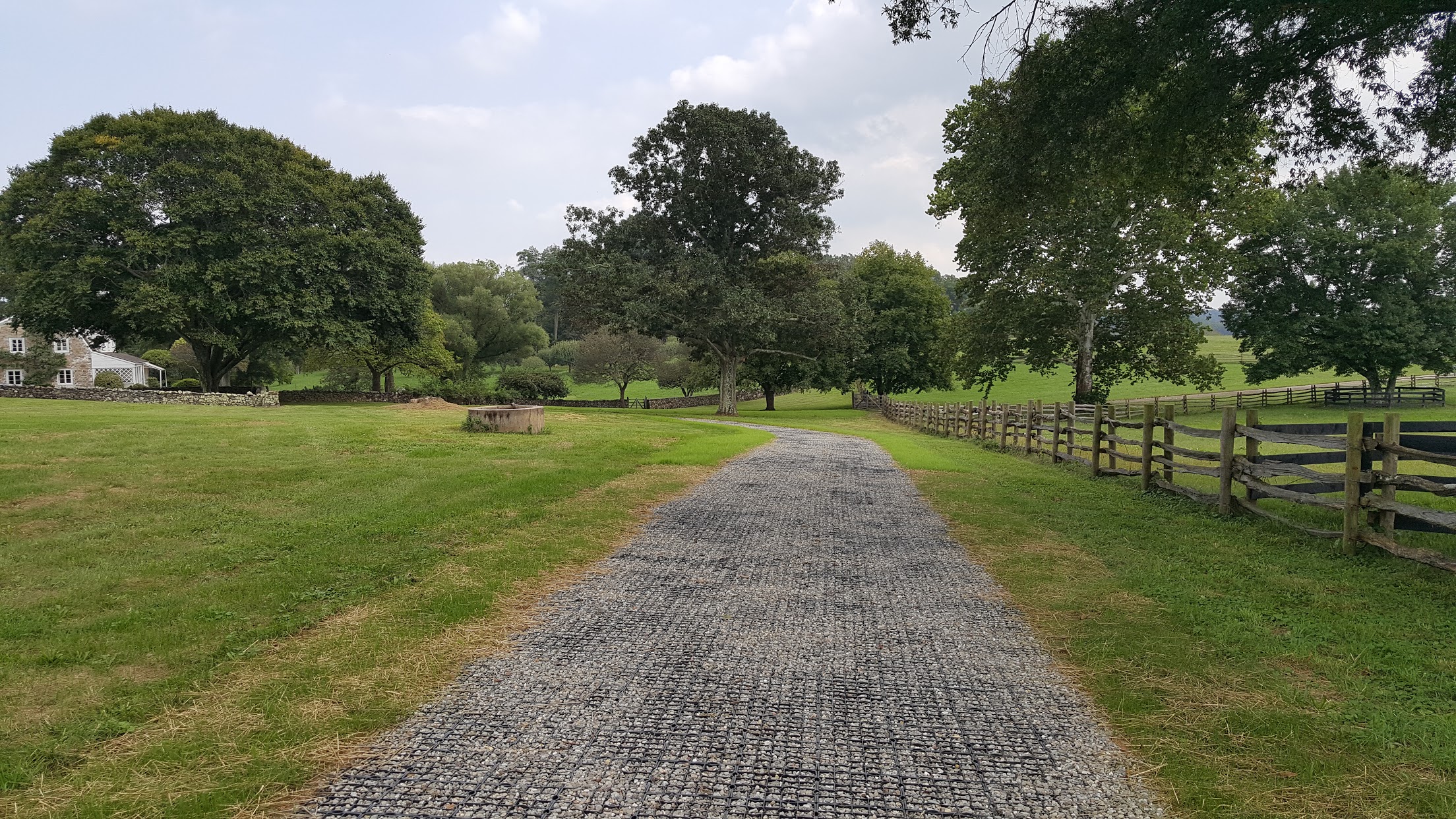
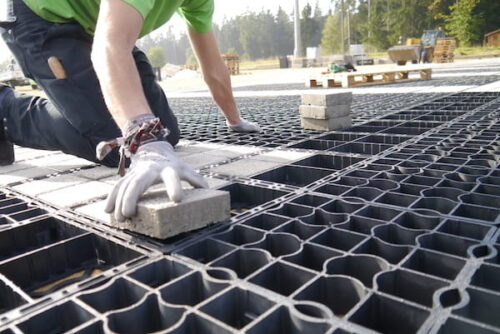
Permeable systems are designed with open space to allow both water movement and load distribution. Ecoraster uses an interlocking grid that holds infill or pavers in place while keeping drainage channels open.
If installers use traditional materials or methods, they can compromise the system’s main benefit. A proper permeable paver installation means following the manufacturer’s guidelines and using materials made for that system.
Why Installation Quality Matters More Than Surface Choice
When planning a patio, it’s easy to focus on the look of the finished outdoor space. But long-term performance depends on what’s happening beneath the surface.
A traditional patio can create a durable outdoor space. But a properly installed permeable patio can do that while also managing stormwater, reducing runoff, and helping prevent surface pooling. In areas with heavy rain or freeze-thaw cycles, that added performance can help extend the patio’s life and support better overall water management.
But those benefits only come from proper installation.
Build It Right the First Time with Ecoraster
A successful permeable patio is not just about laying pavers. It’s about building the full system properly from the ground up. That means proper excavation, the right open-graded base, careful attention to soil conditions, and drainage planning based on the site and climate.
When those pieces are in place, a system like Ecoraster can help improve stability, reduce movement, and maintain consistent permeability across the surface.
The result is a patio that does more than look good. It helps manage water, supports long-term performance, and stands up better over time.
Installation mistakes are common, but they can be avoided. With the right approach, permeable paving can turn a standard patio into a more durable, functional surface.
If you’re planning a patio installation and want performance that goes beyond just looks, explore how Ecoraster can support your next project. Contact our team to learn how to design a permeable paving solution that is built to last.