
Spring Stormwater Management Solutions: Learn How to Mitigate Rain, Puddles & Mud This Wet Season
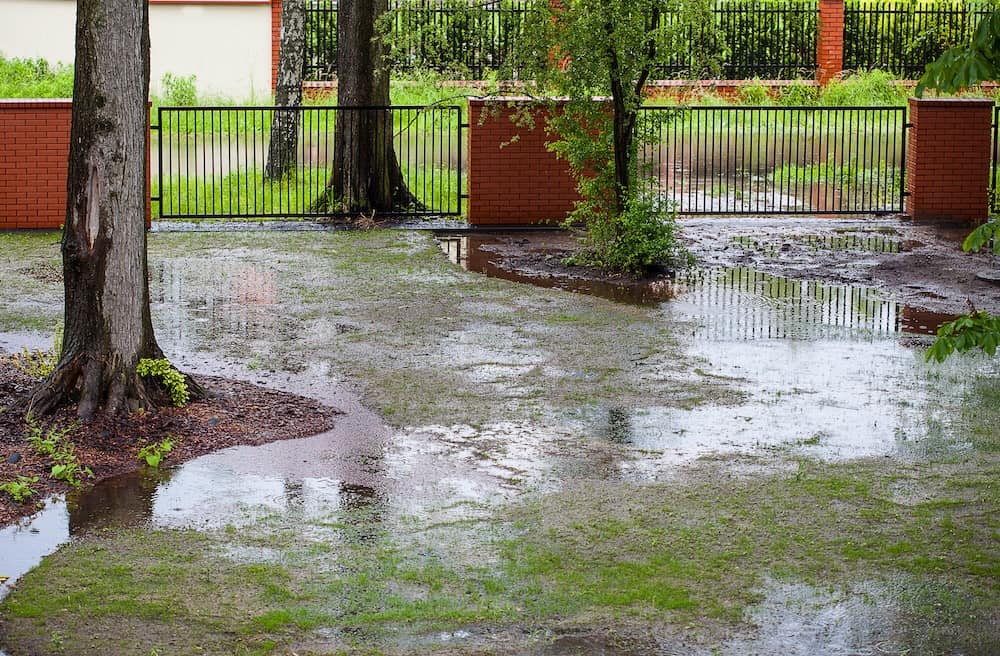
Spring brings plenty to look forward to, from warmer days to greener landscapes and more time spent outdoors. But it can also bring heavy rain, muddy ground, standing water, and messy puddles. That’s why effective stormwater management matters.
If you’re dealing with slippery walkways, messy parking areas, or parts of your property that stay soggy long after it rains, you’re not alone. The right stormwater management plan can help reduce mud, pooling water, and drainage issues before they become bigger problems.
In this quick guide, we’ll walk through what stormwater management is, why it is important, and a few practical ways to help manage spring rain more effectively.
What Is Stormwater Management?
Stormwater management is about controlling what happens to rainwater and snowmelt once it hits the ground. Instead of letting water collect on the surface, rush across hardscaped areas, or overwhelm your drainage system, stormwater management helps direct, slow, absorb, or store that water more effectively.
In simple terms, it is about helping your property handle wet weather better.
Whether you’re planning a commercial project, upgrading a public space, or improving an existing property, better drainage and stormwater performance can go a long way.
Why Stormwater Management Is Critical
Stormwater is part of a much larger natural system. When a site handles rainfall well, water can move through the landscape in a healthier and more balanced way. When development interrupts that balance, runoff increases and site performance often declines.
Stormwater & the Hydrologic Cycle
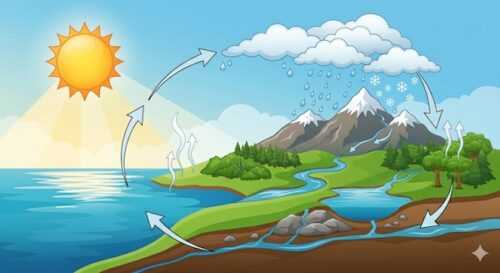
Before we develop land, water usually has more opportunities to soak into the ground, move through soil, and support the natural balance of the surrounding environment. Rain falls; some evaporates, some is absorbed by vegetation, and some slowly makes its way into streams and groundwater.
This natural movement of water is part of the hydrologic cycle.
When this natural cycle works well, it helps support:
- Healthier soil and vegetation
- Groundwater recharge
- More stable water flow
- Reduced runoff
- Better long-term environmental balance
How Does Development Affect the Hydrologic Cycle?
Once an area is built up with hard surfaces like asphalt, concrete, rooftops, and compacted ground, water has fewer places to go. Instead of soaking in, it runs off faster and collects in places you don’t want it.
That’s when you begin to see common springtime issues like large puddles in low spots, muddy, hard-to-use surfaces, overloaded drainage systems, and erosion in the surrounding areas.
In other words, development can make spring rain much harder to manage unless stormwater management systems are built into the site design.
5 Stormwater Management Solutions to Help You Tackle the Wet Season
If your property struggles with spring rain, the good news is that there are practical ways to improve things.
The best stormwater management solutions do more than move water away. They help your site handle rain more effectively from the start.
1. Improve Site Grading
Sometimes the issue is not the amount of rain. It’s the way the site is shaped.
If your property has low points, poor slopes, or uneven areas, water will naturally settle there. That’s why site grading plays such an important role in stormwater management.
Thoughtful grading can help guide water away from problem areas, reduce pooling, and improve overall drainage system performance. Even small grading improvements can make a noticeable difference when spring storms roll in.
2. Strengthen the Base Beneath the Surface
In some areas, the real problem sits below the surface. If the ground underneath cannot drain properly, you are more likely to end up with soft spots, muddy zones, and surfaces that break down faster over time.
Using the right base materials and drainage layers can help water move through the site more efficiently and improve surface stability, especially in areas that deal with regular traffic or repeated saturation.
This can be especially helpful in:
- Utility access areas
- High-traffic outdoor spaces
- Service routes
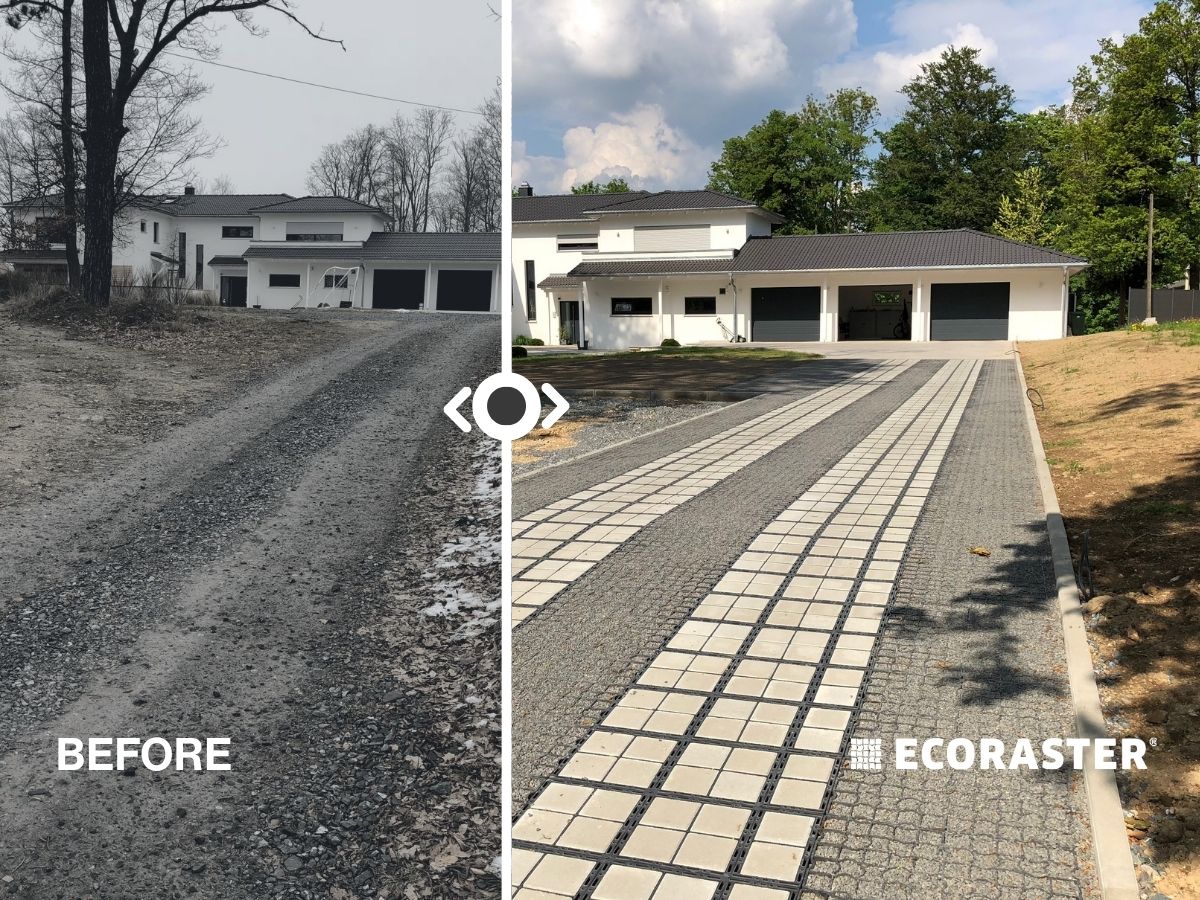
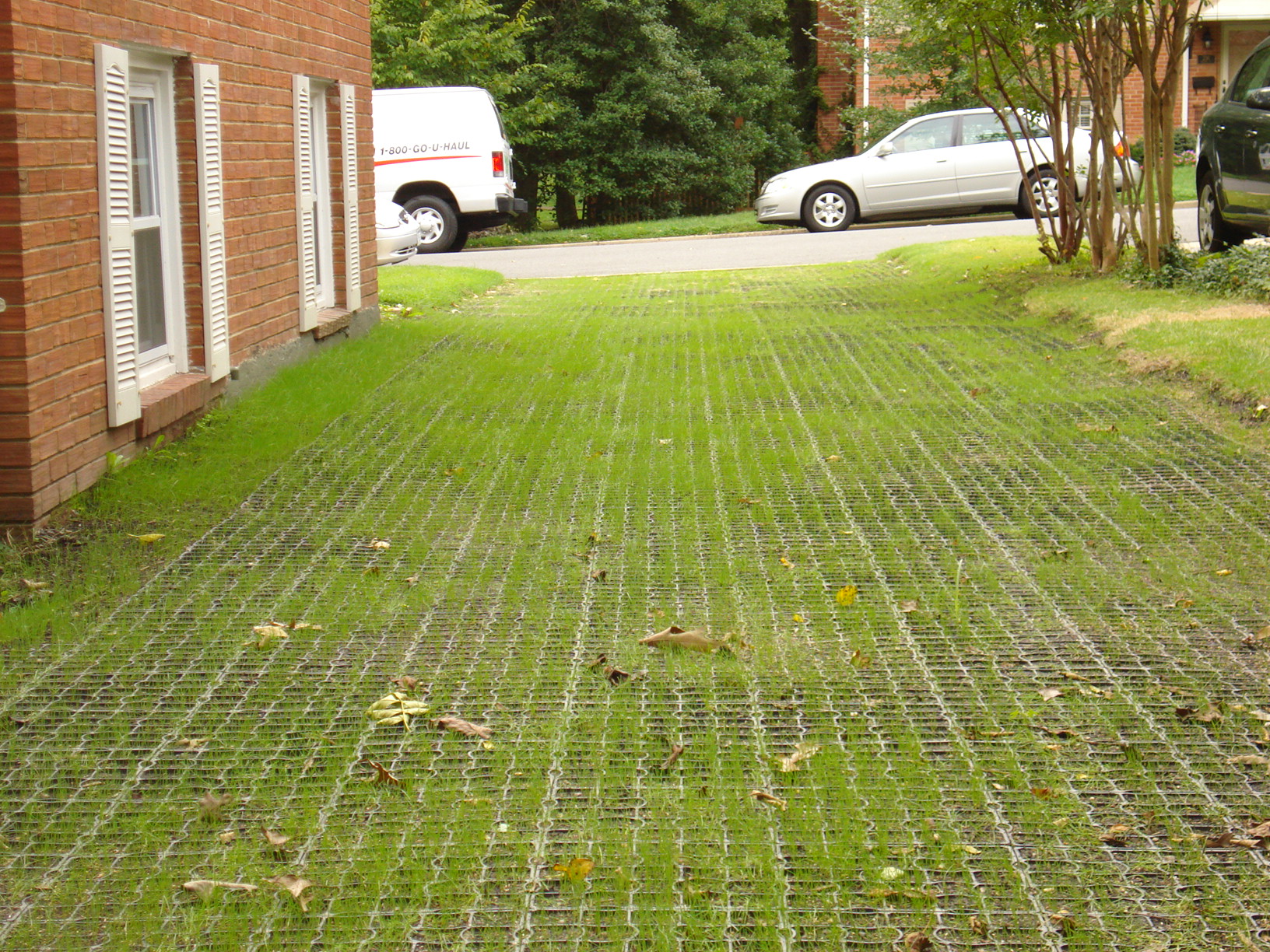
3. Use Permeable Paving
If you find puddles and muddy ground recurring problems, permeable paving is one of the most effective solutions to consider.
Unlike traditional hard surfaces, permeable paving allows rainwater to pass through the surface and into the layers below. That helps reduce runoff, limit standing water, and improve drainage right where the rain falls.
This can be especially helpful in areas like:
- Parking lots
- Driveways
- Pathways
- Access roads
- Landscaped transition zones
If you’re looking for a durable permeable paving option, choose a high-quality brand like Ecoraster. Our permeable paving solutions stand out for their durability, long-term performance, and ability to handle demanding conditions.
Find out more about our permeable paving products
4. Add Swales or Vegetated Drainage Features
Not every stormwater solution has to look like a pipe or drain. In many cases, natural-looking drainage features can be both practical and attractive.
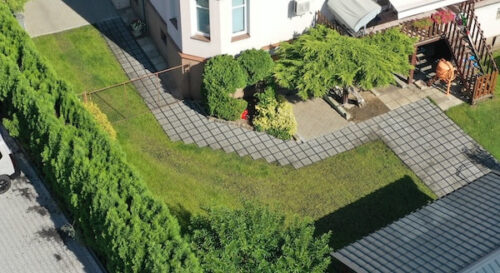
Swales, bioswales, and other vegetated channels help direct water through a site more gradually. Instead of letting runoff rush across the surface, these features slow it, encourage infiltration, and help manage water in a way that feels more integrated with the landscape.
They can be a great fit if you want to improve drainage and stormwater performance while keeping the site visually appealing.
5. Use Landscaping to Support Natural Water Control
Stormwater management doesn’t always have to rely solely on built infrastructure. In some cases, thoughtful landscaping can help absorb water, slow runoff, and support better drainage across the site.
For your property, this might include planting vegetation in key runoff areas, creating rain gardens, or even using soil blends that improve infiltration. Shaping landscaped zones can also help manage excess water.
This kind of approach can work especially well when combined with permeable paving or other drainage improvements.
What You Gain From Managing Stormwater Effectively
Now you understand, good stormwater management isn’t just about avoiding puddles. It helps protect your property’s long-term performance (and value) and supports a healthier relationship between your site and the surrounding environment.
Support a More Natural Water Cycle
One of the big goals of stormwater management is to help developed environments behave more like natural landscapes. When rainwater has a greater chance to soak in and less need to rush off the surface, you help maintain a better balance on the property.
That can support:
- Improved infiltration
- Healthier surrounding landscapes
- Reduced runoff
- More sustainable site performance
Lower the Risk of Flooding
When water builds up quickly and has nowhere to go, flooding risks increase. That doesn’t just apply to major storm events. Even regular spring rain can create problems when a site is already saturated or poorly drained.
Stormwater management systems help reduce that risk by slowing water, moving it more effectively, and providing better places for it to go.
Help Prevent Erosion
Fast-moving runoff can erode soil, damage landscaped areas, and cause serious erosion issues over time. This is especially true when rainwater repeatedly flows across the same exposed areas.
By managing stormwater more effectively, you can help reduce the force of runoff and protect the edges, slopes, and natural areas around your property.
Get Ahead of Spring Rain With Smarter Stormwater Solutions
Spring weather should encourage you to enjoy your outdoor space, not create more maintenance headaches. If you’re tired of dealing with mud, puddles, soggy surfaces, or poor drainage every time it rains, now is a good time to look at solutions that work better for your property.
The right stormwater management solutions can help you create a space that stays cleaner, performs better, and holds up more effectively through the wet season and beyond.
If you’re planning a sustainable project and want a smarter way to manage rainwater, Ecoraster can help. Get in touch with our team to explore practical, sustainable solutions that improve drainage and create usable surfaces.