How Do You Create a Sustainable Landscape That Actually Works?
Solve Drainage Problems With Smarter Residential Ground Design
How do you create a sustainable landscape that actually works?
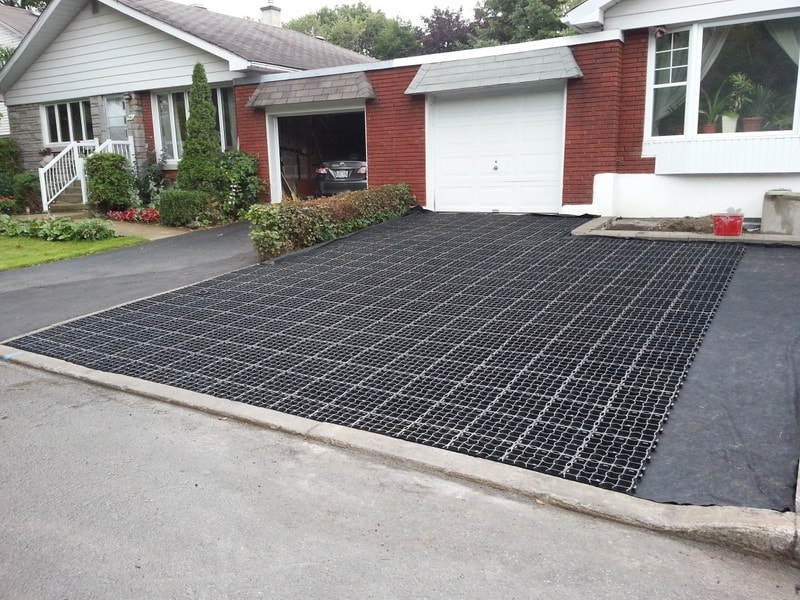
A sustainable landscape works long-term when it manages water properly, stays stable after rain, and supports everyday use without constant repairs. To create a sustainable landscape that actually works, start by solving drainage at the surface and underneath it. Permeable systems like Ecoraster grids help excess water move naturally into the ground while supporting grass, gravel, driveways, walkways, patios, and other residential outdoor spaces.
A good landscape should do more than look finished on day one.
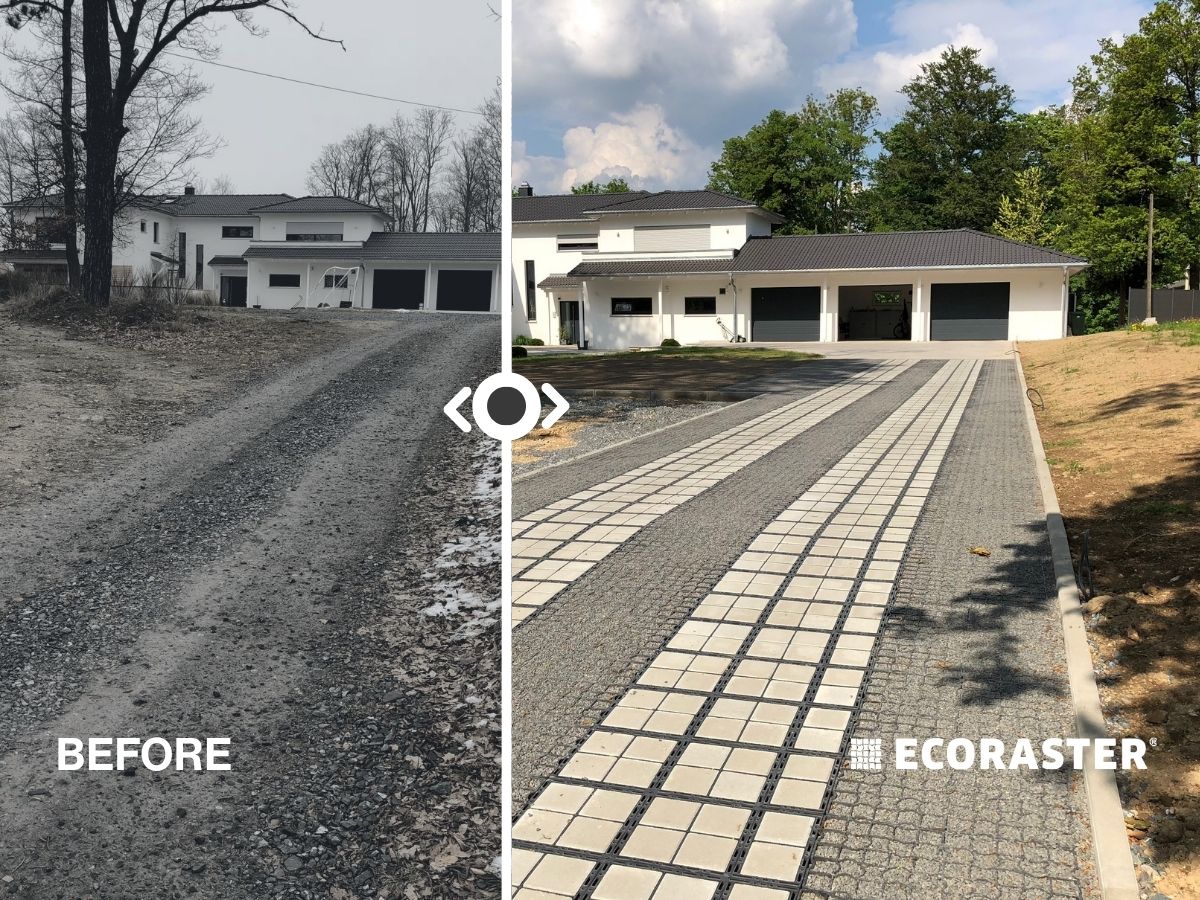
Quick Answer
A sustainable residential landscape should:
- Stay usable after rain
- Reduce muddy spots and pooling
- Support foot traffic, vehicles, and everyday use
- Help water drain naturally into the ground
- Reduce runoff, rutting, and surface washout
- Stay stable without constant gravel, soil, or sod repairs
For homeowners, drainage problems often show up as puddles in the driveway, muddy side yards, washed-out gravel, soggy grass, uneven walkways, or soft ground after rainfall.
These issues may seem small at first, but over time they can lead to repeated maintenance and costly repairs.
This Guide Is For You If:
- Your driveway, pathway, or yard collects water after rain
- You are dealing with muddy side yards or soft ground
- Your gravel keeps spreading into lawns or garden beds
- Your grass gets damaged in high-traffic areas
- You want a more sustainable residential landscape
- You are considering grass, gravel, or permeable hardscape options
- You want an outdoor surface that looks good and performs long-term
Why Do Residential Landscapes Fail After Rain?
Residential landscapes often fail after rain because they are designed for appearance first, not drainage performance.
A driveway, pathway, patio edge, or grass parking area can look clean when it is first installed, then start breaking down after a few heavy rains. When water has nowhere useful to go, surfaces can begin to pool, soften, shift, rut, or wash out.
Common signs of poor drainage include:
- Water pooling on the surface
- Mud forming along walkways or driveways
- Gravel spreading into lawns or garden beds
- Grass wearing down in high-traffic areas
- Ruts from tires or equipment
- Soft ground after rainfall
- Ice patches forming in colder weather
- Landscape edges washing away
These problems usually happen because water has nowhere to move. When the ground is compacted, poorly reinforced, or covered with a surface that does not drain well, rainwater collects at the top.
Once that happens, the landscape starts reacting to every season.
- Rain softens the ground.
- Traffic creates ruts.
- Gravel shifts.
- Grass gets damaged.
- The same problem keeps coming back.
What Makes a Landscape Sustainable for Decades?
A landscape becomes sustainable for decades when it manages water properly, stays stable under everyday use, and reduces the need for repeated repairs.
Sustainable landscaping is not just about choosing plants or natural-looking materials. A truly sustainable landscape should help the property work better.
A sustainable residential landscape should:
- Manage stormwater naturally
- Reduce surface runoff
- Prevent pooling and muddy areas
- Support stable grass or gravel surfaces
- Reduce long-term maintenance
- Keep outdoor areas usable after rain
This is especially important for residential applications, where outdoor areas need to be both functional and attractive.
A front driveway, side yard, garden path, patio area, or extra parking space should not become a drainage problem every time it rains.
How Do Ecoraster Grids Help Control Excess Water?
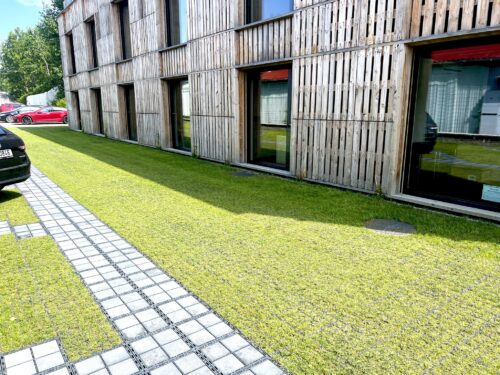
Ecoraster grids help control excess water by letting rain drain through the surface instead of collecting on top.
The grid stabilizes grass, gravel, decorative stone, or other permeable finishes while helping water move down into the base below. This helps create a stronger, cleaner, and more sustainable outdoor surface.
For residential landscapes, Ecoraster can support:
- Grass
- Gravel
- Decorative stone
- Permeable hardscape finishes
- Driveway surfaces
- Walkways and paths
- Outdoor living areas
- Overflow parking areas
This gives homeowners more design flexibility without giving up drainage performance.
What Drainage Problem Do Most Homeowners Miss?
Most homeowners miss that drainage problems often start underneath the surface, not just on top of it.
Adding more gravel, soil, or sod may cover the issue temporarily, but it does not fix unstable ground or poor water movement below.
- More gravel gets added.
- More soil gets spread.
- New sod gets installed.
- The muddy area gets covered again.
But if the ground underneath is not stable or water cannot move through properly, the same issue usually returns.
A better residential landscape starts with the full system:
- A prepared subgrade
- A clean drainage base
- A permeable reinforcement grid
- A surface finish like grass or gravel
- A clear path for water to move down naturally
That is what makes the landscape perform long after installation.
Example Scenario
A homeowner has a side yard that becomes muddy every time it rains. Gravel has been added several times, but it keeps spreading into the grass and the area still becomes soft underfoot.
Instead of adding another temporary surface layer, the homeowner installs a proper permeable ground system with a prepared base and Ecoraster grid.
The result:
- Water drains through the surface instead of pooling
- Gravel stays more stable
- The side yard becomes easier to walk on
- Mud is reduced
- The area stays more usable after rainfall
- Long-term maintenance becomes easier
This is the difference between covering a drainage problem and solving it properly.
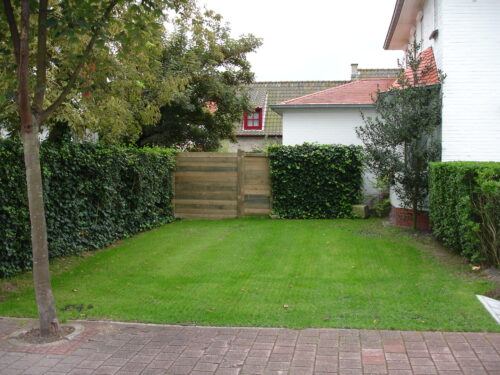
Product Options for Residential Sustainable Landscapes
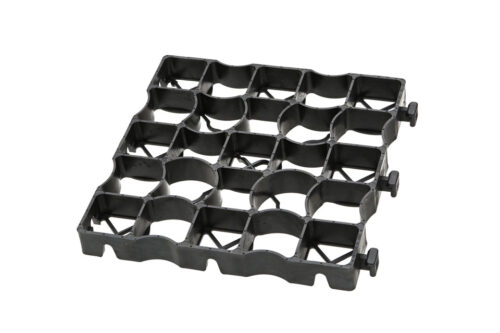
Ecoraster E40
Ecoraster E40 is a versatile ground reinforcement option that works well for many residential landscape applications.
Use it for:
- Walkways
- Garden paths
- Light residential access areas
- Grass or gravel surfaces
- Outdoor living zones
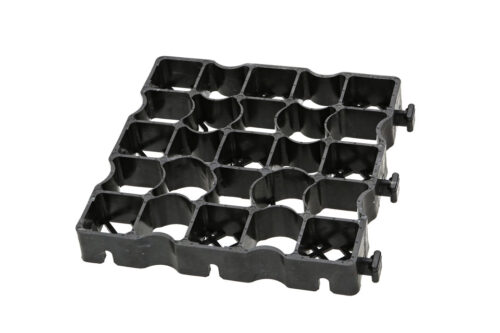
Ecoraster E50
Ecoraster E50 is a heavier-duty option designed for areas that need more load support.
Use it for:
- Driveways
- Parking areas
- Access routes
- High-traffic residential areas
- Heavier-use gravel or grass surfaces
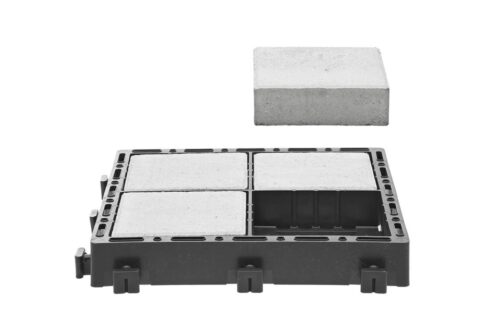
Ecoraster Bloxx
Ecoraster Bloxx is a strong option when the project needs a more finished paver-style look while still supporting permeable design.
Use it for:
- Patios
- Courtyards
- Walkways
- Parking areas
- Outdoor entertaining areas
- More polished residential designs
Common Mistakes to Avoid
Adding More Gravel Without Fixing the Base
Adding more gravel may make the surface look better temporarily, but it does not solve poor drainage underneath. If the base is unstable, the same pooling, rutting, or spreading can return.
Choosing Materials Based on Appearance Alone
A landscape can look finished on day one but fail after heavy rain. For long-term performance, the surface needs to manage water and support everyday use.
Ignoring High-Traffic Areas
Areas used for parking, walking, or regular access need reinforcement. Without support, grass can wear down, gravel can shift, and soil can soften.
Treating Drainage as a Surface Problem Only
Pooling and mud often come from deeper issues below the surface. A stronger system looks at the subgrade, drainage base, reinforcement layer, and surface finish together.
Frequently Asked Questions
How do you create a sustainable landscape that actually works?
Start by solving drainage first. A sustainable landscape should manage water naturally, reduce runoff, stay stable after rain, and support everyday use. Permeable reinforcement systems like Ecoraster grids can help create grass, gravel, driveway, pathway, and patio surfaces that perform long-term.
Why does my yard get muddy after rain?
A yard often gets muddy after rain because water is not draining properly through the surface and base. Compacted soil, poor reinforcement, and weak drainage can cause water to collect at the top, making the ground soft and difficult to use.
Can permeable grids help with driveway drainage?
Yes. Permeable grids can help driveway drainage by allowing water to move through the surface instead of pooling on top. They also help stabilize gravel or grass surfaces so the area can better support vehicles and everyday use.
Is Ecoraster better for grass or gravel?
Ecoraster can support both grass and gravel, depending on the application. Grass may be used for green driveways, overflow parking, or landscape areas, while gravel may be used for driveways, pathways, and access routes.
Which Ecoraster product is best for residential use?
The best product depends on the use. E40 works well for walkways, garden paths, and lighter residential applications. E50 is better for driveways, parking areas, and heavier-use zones. Bloxx is a strong option for patios, courtyards, parking areas, walkways, and more polished outdoor designs.
Related Resources
You may also find these helpful:
- Ecoraster Residential Applications
- Ecoraster E40 Ground Reinforcement
- Ecoraster E50 for Driveways and Parking Areas
- Ecoraster Bloxx for Patios and Walkways
- Permeable Paving Solutions for Sustainable Landscaping
The Bottom Line
Sustainable landscaping works best when it solves real property problems.
A landscape that manages water naturally can help reduce pooling, mud, runoff, rutting, and constant surface repairs. With Ecoraster grids, homeowners can create outdoor spaces that support grass, gravel, and permeable surfaces while helping excess water move back into the ground.
If your yard, driveway, pathway, or outdoor living space keeps collecting water, the answer may not be another temporary surface fix.
It may be a better drainage system underneath.
Ready to Build a Landscape That Works?
Create a residential landscape that looks good, drains properly, and performs long-term. Ecoraster can help you choose the right grid system for grass, gravel, driveways, pathways, and permeable outdoor spaces.