Erosion Control: 7 Effective Ways to Prevent Erosion and Protect Your Property Long-Term
Erosion control is an important part of protecting any property that deals with runoff, exposed soil, vehicle traffic, slopes, mud, or heavy outdoor use. When erosion starts, it can quickly lead to rutting, pooling water, sediment buildup, unstable surfaces, and higher maintenance costs.
For commercial, agricultural, and municipal properties, preventing erosion is not just about keeping the site looking clean. It is about protecting the ground, improving drainage, and making sure the space stays usable through changing weather and daily traffic.
Here are seven effective ways to prevent erosion and protect your property long-term.
1. Start With an Erosion and Sediment Control Plan
An erosion and sediment control plan is the first step in any erosion control strategy because it identifies where water is moving, where soil is exposed, and which areas need protection first. This is especially helpful for parking lots, access roads, trails, barn entrances, slopes, and other high-use outdoor areas.
Your plan should look at drainage patterns, soil conditions, heavy-traffic zones, low points, and areas where sediment may collect. Once you understand the problem areas, it becomes easier to choose the right erosion control solution instead of making short-term repairs that may fail again after the next rainfall.
2. Reinforce High-Traffic Areas
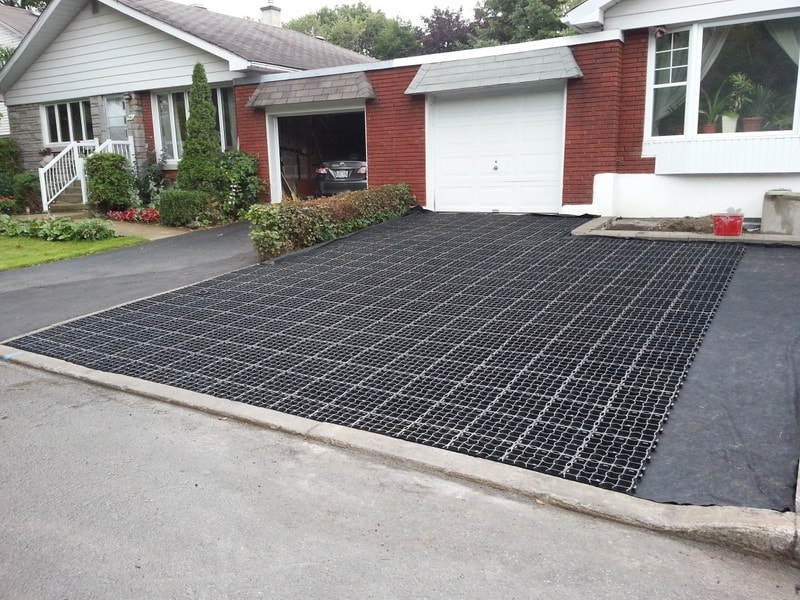
Ground reinforcement is the most effective way to prevent erosion in high-traffic areas, since repeated vehicle, equipment, pedestrian, or livestock movement is often the first cause of compacted, rutted, and muddy ground.
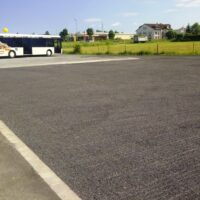
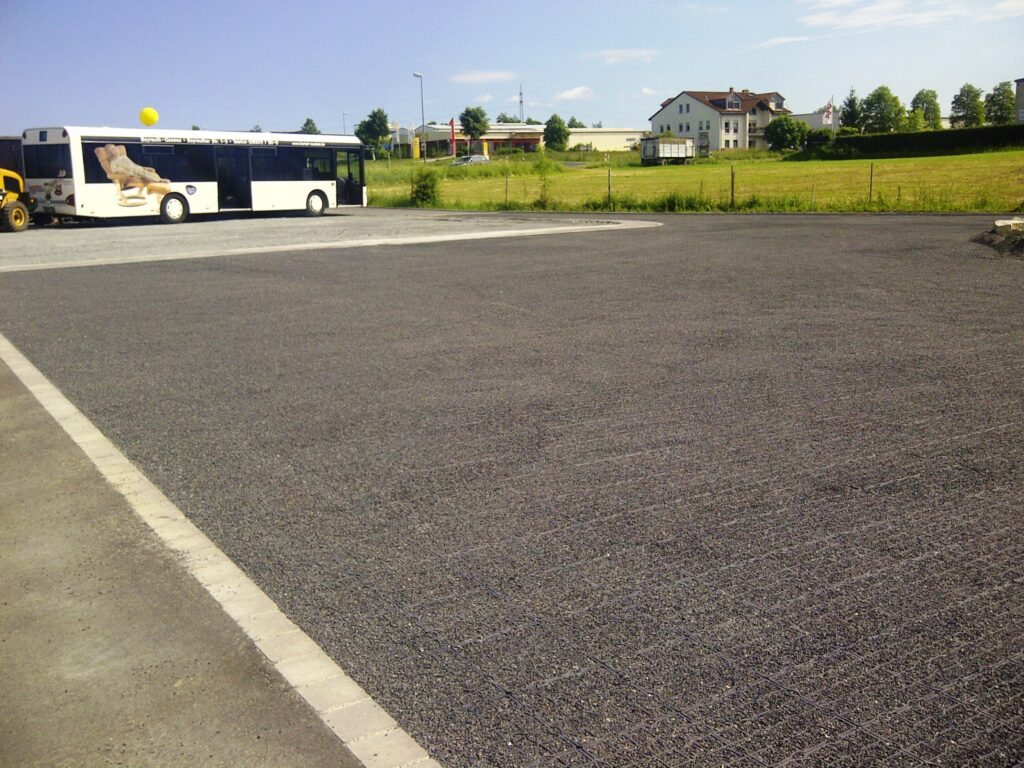
It stabilizes these surfaces by supporting weight while reducing soil displacement. This can be useful for driveways, parking lots, access roads, road shoulders, trails, paddocks, and industrial yards.
| For heavier-duty projects, E50 heavy-duty permeable paving is designed for demanding applications such as parking, commercial, industrial, and road shoulder use. | 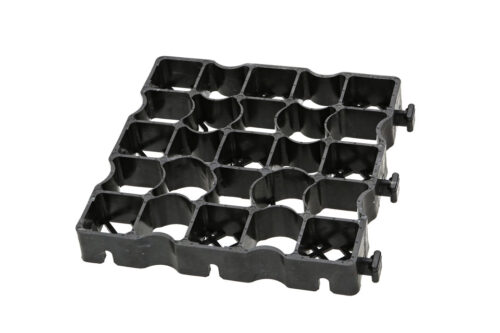 |
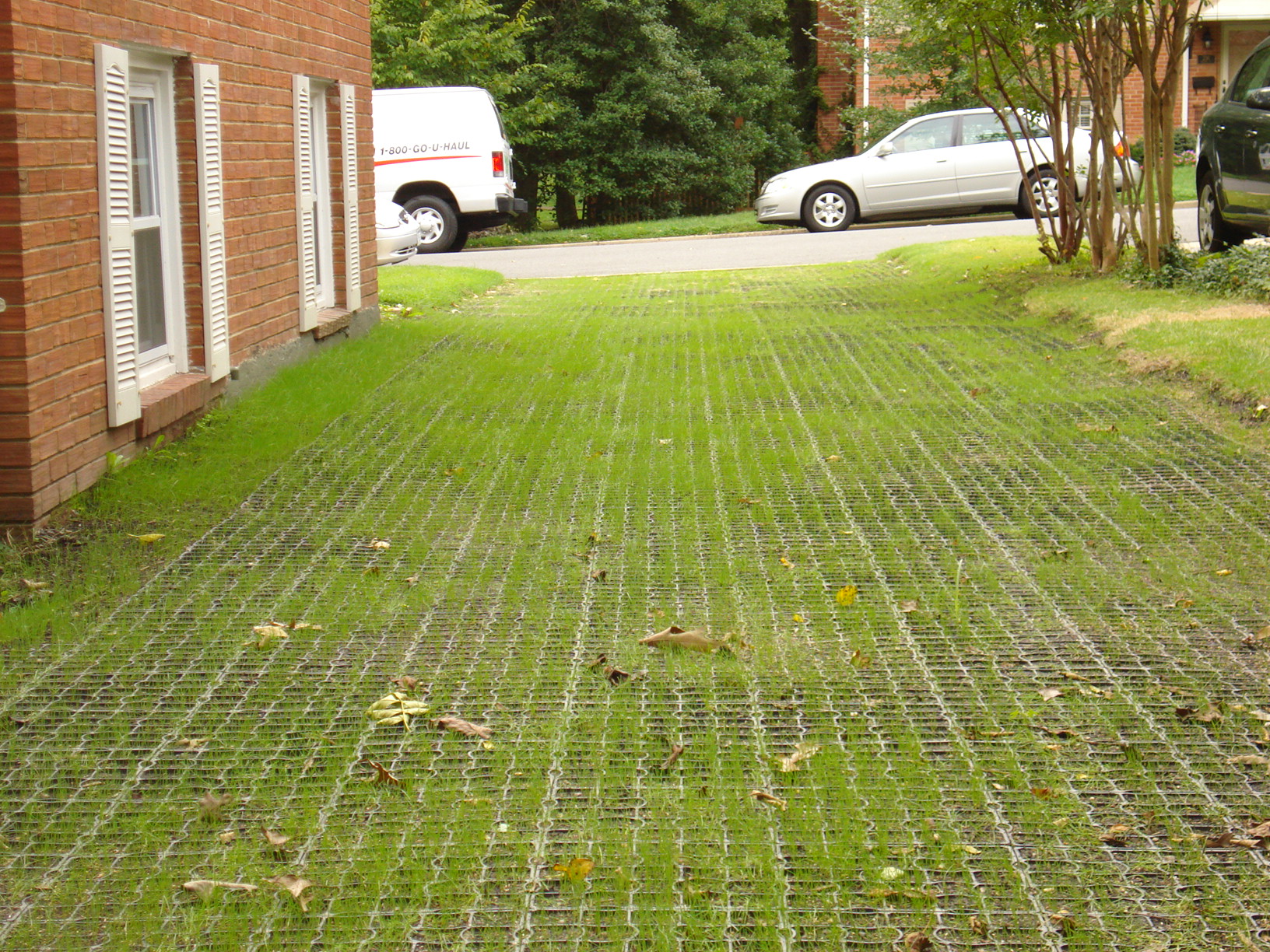
| For light to medium-duty areas, E40 ground reinforcement can support driveways, parking lots, municipal trails, and equestrian applications. | 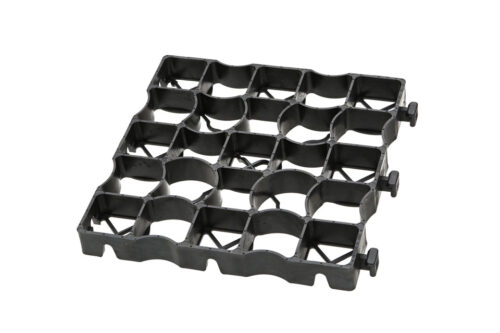 |
3. Improve Drainage Before Runoff Gets Worse
Improving drainage prevents erosion by keeping water from moving across exposed soil in the first place. Water is one of the biggest causes of erosion: when it cannot drain properly, it carries soil with it and creates weak points in the ground.
Good drainage can include grading, swales, drainage channels, permeable surfaces, and reinforced areas where water naturally collects. The goal is to slow water down, guide it safely, and reduce the amount of stormwater runoff moving across exposed soil.
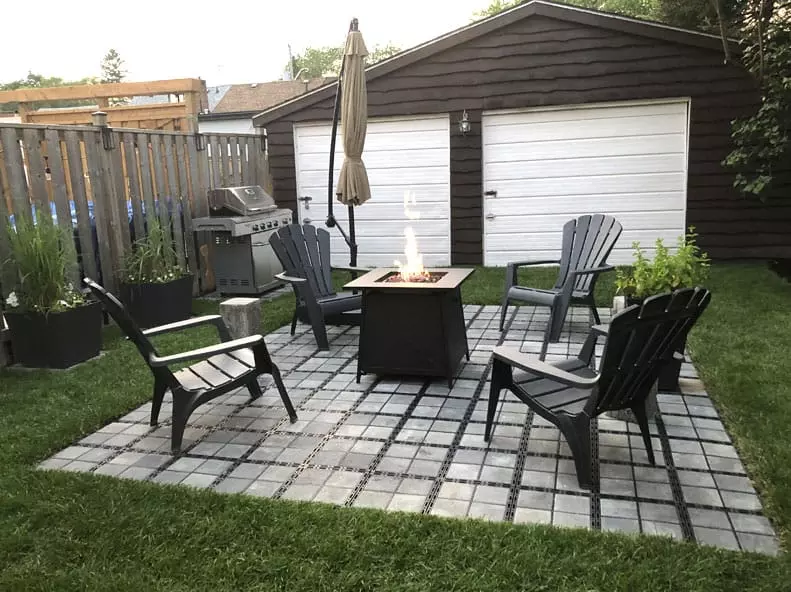
For properties that need long-term drainage support, permeable paving can help water move through the surface instead of pooling or washing material away.
4. Protect Slopes and Exposed Soil
Protecting slopes and exposed soil matters because sloped ground erodes faster than flat ground, since water moves downhill with more force. Without ground cover, runoff can create channels, wash away material, and weaken the area over time.
Slope protection may include vegetation, mulch, erosion blankets, retaining edges, drainage control, or reinforced surfaces where needed. The right method depends on the slope, soil type, water flow, and how the area is used.
For commercial and municipal properties, slope erosion can affect sidewalks, parking edges, trails, and road shoulders. For agricultural properties, it can affect laneways, paddocks, and drainage paths.
5. Use Permeable Paving to Reduce Stormwater Runoff
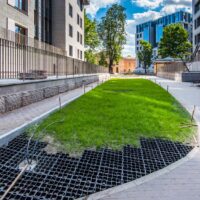
Permeable paving reduces stormwater runoff by letting water filter through the surface instead of running across it, making it one of the most effective long-term erosion control methods for high-traffic ground. Traditional hard surfaces increase runoff because water cannot easily pass through them, carrying sediment, damaging edges, creating puddles, and putting pressure on drainage systems.
This keeps the ground stable while managing water, making it useful for commercial parking lots, access roads, municipal walkways, trails, overflow parking areas, and agricultural work zones.
Ecoraster offers solutions for different property types, including commercial permeable paving, agricultural applications, and municipal applications.
6. Stabilize Agricultural Mud and Livestock Areas
Agricultural properties often face erosion because of mud, livestock movement, equipment traffic, and repeated use of the same outdoor areas.
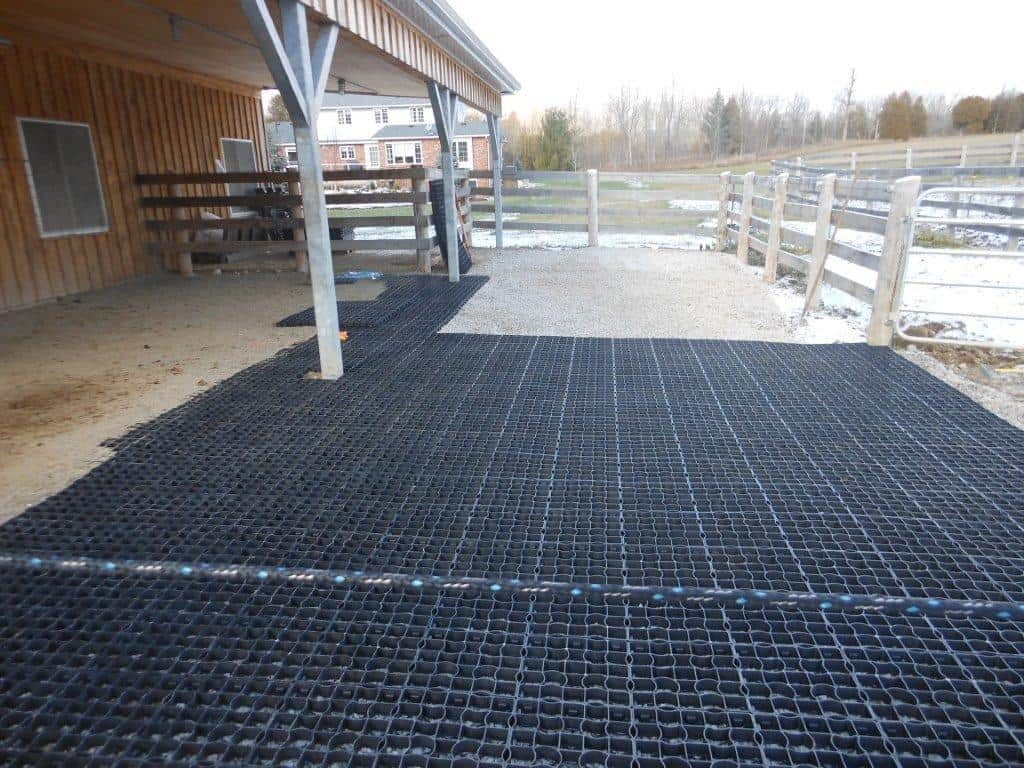
High-risk areas can include barn entrances, livestock feeders, paddocks, laneways, outdoor pens, and farm access roads. When these areas are not reinforced, they can become muddy, uneven, and difficult to maintain.
Using ground reinforcement in these spaces can help reduce mud, improve drainage, and create a more stable surface for livestock, workers, and equipment.
7. Inspect and Maintain Erosion Control Systems
Regular inspection and maintenance is what keeps an erosion control system working long-term, even after a strong plan, drainage, and reinforcement are already in place. Property owners and managers should inspect vulnerable areas after heavy rain, snowmelt, freeze-thaw cycles, and heavy traffic.
Look for pooling water, rutting, sediment buildup, exposed soil, loose gravel, or clogged drainage. Catching these issues early can help prevent larger repairs later.
Long-term erosion control works best when planning, drainage, reinforcement, and maintenance all work together.
Protect Your Property With the Right Erosion Control Solution
Erosion may start small, but it can quickly affect safety, drainage, surface stability, and long-term maintenance costs. Whether you manage a commercial site, agricultural property, municipal space, or high-traffic outdoor area, the right erosion control strategy can help protect your property for years to come.
If you need help choosing the right solution for your site, request a consultation with Ecoraster to discuss your project, application, and long-term performance needs.
FAQs About Erosion Control
What is the best way to prevent erosion?
The best way to prevent erosion is to manage water, cover exposed soil, and reinforce areas that deal with traffic, runoff, or mud.
What is an erosion and sediment control plan?
An erosion and sediment control plan outlines how a property will prevent soil movement, manage runoff, and reduce sediment buildup.
How does permeable paving help with erosion control?
Permeable paving allows water to move through the surface instead of running across it, which can help reduce runoff, pooling, and soil displacement.
Where can erosion control systems be used?
Erosion control systems can be used in parking lots, access roads, driveways, trails, road shoulders, paddocks, barn entrances, and municipal spaces.
How do I know which Ecoraster product is right for my project?
The right product depends on the type of traffic, load needs, drainage conditions, and application. For project-specific guidance, request a consultation with Ecoraster.
Ready to Stop Erosion Before It Starts?
Erosion control works best as part of an ongoing plan, not a one-time fix. Whether you’re managing runoff on a commercial site, mud in a livestock area, or slope stability on a municipal trail, Ecoraster’s permeable paving and ground reinforcement systems are built to hold up under real-world conditions.
Request a consultation with Ecoraster to talk through your site’s specific erosion challenges and find the right solution for the long term.